
Understanding Your Role When You File for Probate in Lee County
Key Takeaways: To file for probate in Lee County as an executor, submit a petition to the Probate Court, prove the will, and receive letters testamentary granting legal authority to act on the estate’s behalf. A will does not allow your family to skip probate; it names beneficiaries and an executor while the estate passes through court supervision. Once appointed, you assume fiduciary duties including safeguarding assets, preparing an inventory, paying debts and taxes, and distributing the remainder to beneficiaries. Alabama’s traditional process follows a structured timeline with a six-month creditor claims period before closing. Smaller estates of personal property only may qualify for streamlined summary distribution under Ala. Code § 43-2-692. Because the Probate Judge cannot offer legal advice, working with a probate attorney helps you meet deadlines and avoid costly missteps.
If a loved one named you executor and you are wondering how to file for probate in Lee County, the process begins by asking the local Probate Court to officially appoint you so you can act on the estate’s behalf. In Alabama, that means submitting a petition, proving the will, and receiving the legal authority to gather assets, pay valid debts, and distribute what remains to the rightful beneficiaries.
Serving as an executor in Opelika or anywhere in Lee County is an honor, but it carries fiduciary duties with rules that must be followed carefully. Whether the estate is modest or complex, working with a knowledgeable probate lawyer Opelika AL families rely on can help you move through each stage with confidence. To talk through your situation, you can reach Sawyer & Associates by calling 205-291-6005 or by visiting our contact page to schedule a conversation.

What Probate Really Means in Alabama
Probate is the court-supervised process of collecting a deceased person’s property and passing it to the people and creditors entitled to receive it. In Alabama, this work runs through the county Probate Judge’s office, the same structure used in Lee County and across the state.
A common misconception is that having a will allows a family to skip probate entirely. It does not. A will simply tells the court who should inherit and who should serve as executor, but the estate still passes through the probate system. If your goal is to help your own family avoid probate later, a revocable living trust is generally the tool that allows assets to pass outside of court supervision.
Because Alabama has not adopted the full Uniform Probate Code, the traditional probate process applies here. That means formal filings, court oversight, and a defined waiting period before an estate closes. You can read a general overview of how a typical estate moves through the courts in this helpful guide on the probate process from start to finish, which explains the broad framework Alabama follows.
💡 Pro Tip: Before filing anything, gather the original will, a certified death certificate, and a rough list of accounts and property. Having these ready can prevent delays at the courthouse.
First Steps to File Probate in Lee County AL
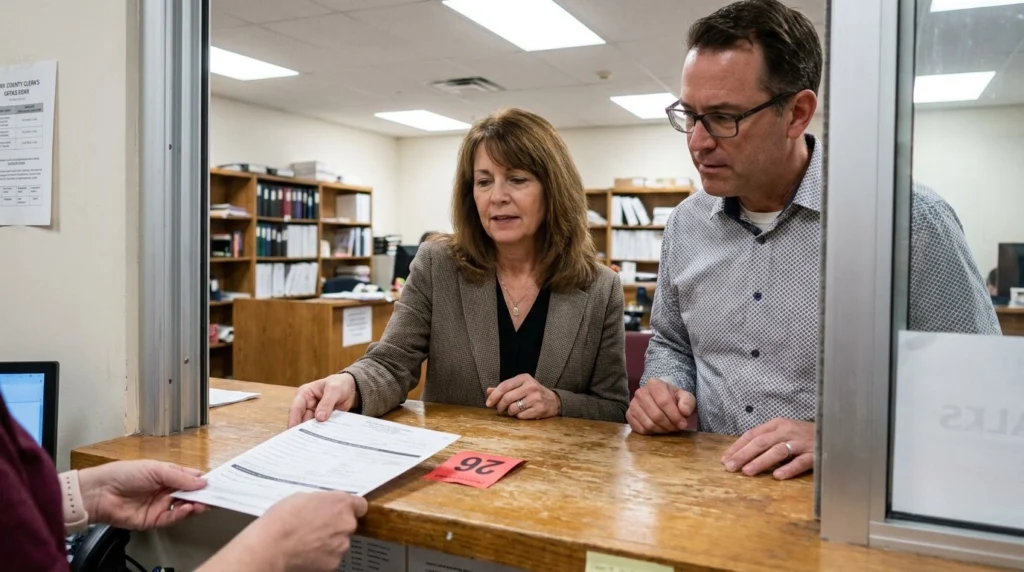
The first official action is filing your Alabama probate petition with the Probate Court in the county where the deceased lived. A will generally must be filed in the county where the deceased lived within five years of the person’s death. For Opelika residents, that means filing with the Lee County Probate Court.
Submitting the Petition and Proving the Will
Your petition asks the court to admit the will and grant you letters testamentary, the document that proves your authority to act. Once issued, letters testamentary in Alabama allow you to access accounts, communicate with financial institutions, and manage estate property lawfully.
Understanding the Court’s Role
Alabama county Probate Courts treat estate administration as a routine function of the Probate Judge. You can see how one Alabama county frames this responsibility on its page describing the probating of estates and wills. Lee County follows the same general structure, but the Probate Judge’s office handles the filing and cannot guide you through the law itself.
💡 Pro Tip: Ask for several certified copies of your letters testamentary at the outset. Banks, title companies, and brokerages each typically want their own original on file.
A Practical Look at Executor Duties Alabama Expects
Your core executor duties begin the moment you are appointed and continue until the estate is fully settled. These responsibilities are fiduciary in nature, meaning you must act in the estate’s best interest and keep careful records.
In broad terms, an Alabama personal representative handles several key tasks:
- Safeguarding estate property and preparing a detailed inventory
- Obtaining appraisals when the value of certain assets is uncertain
- Paying valid debts and filing required tax returns
- Distributing the remaining property to the beneficiaries
Alabama law gives personal representatives broad authority to manage an estate without returning to court for every decision. Generally, you may retain assets, settle certain claims, enter short leases, and employ attorneys to assist you. However, some actions require court approval, including selling real estate, demolishing improvements, or entering leases longer than one year. Knowing which actions fall on each side of that line helps you avoid personal liability.
💡 Pro Tip: Open a dedicated estate bank account early and never mix estate funds with personal money. Clean separation protects you if any beneficiary later asks for an accounting.
The Step-by-Step Probate Timeline in Lee County
Probating an estate in Alabama follows a structured sequence, especially when there is no will or when a full administration is required. The traditional process includes roughly ten steps, with built-in waiting periods designed to protect creditors and heirs. The table below outlines key milestones an Opelika executor can expect.
| Stage | What Typically Happens |
|---|---|
| Petition and appointment | File the petition; the court appoints you and may require a bond |
| Inventory | Prepare an estate inventory, generally within two months |
| Notice to creditors | Publish notice for three consecutive weeks |
| Claims period | Allow a six-month window for creditors to present claims |
| Distribution | Pay debts and taxes, then distribute remaining property |
These timelines give every interested party a fair opportunity to come forward. The creditor claims period generally runs six months from the grant of letters, and an estate generally cannot be divided until that window closes and valid debts are addressed. Known creditors entitled to actual notice must be given at least 30 days to present their claims.
When a Simplified Probate Process May Apply
Not every estate requires the full, formal process, and Alabama offers a streamlined option for qualifying small estates. This procedure, known as summary distribution, is available only when an estate consists entirely of personal property, owns no real estate, and falls below a certain value adjusted annually for inflation.
Eligibility depends on the family situation. If there is a surviving spouse, only that spouse may petition for summary distribution; otherwise, any inheritor may file under Ala. Code § 43-2-692 (2024). Once the court approves the request, the order can be used to collect property held by third parties under Ala. Code § 43-2-693 (2024). You can learn more about these small-estate options through this overview of Alabama probate shortcuts.
💡 Pro Tip: If you are unsure whether an estate qualifies for summary distribution, have an attorney review the total value and asset types before you file. Choosing the wrong path can mean starting over.
How a Probate Lawyer Opelika AL Families Trust Can Help
Guiding an estate through Lee County probate involves deadlines, statutory duties, and decisions that carry real consequences for you personally. A seasoned probate attorney Opelika AL residents turn to can help you file correctly, meet each timeline, and reduce the risk of disputes or delays.
Beyond the immediate filing, thoughtful guidance can also help your family plan ahead. Many clients who experience probate firsthand decide to create a trust-based plan so their own loved ones can avoid the process later. To explore how we assist with estate administration in Lee County and beyond, visit our dedicated page on Lee County probate and estate administration.
Frequently Asked Questions
1. How long does an executor have to file a will for probate in Alabama?
A will must generally be filed for probate within five years of the person’s death in the county where the deceased lived, which for Opelika residents means the Lee County Probate Court.
2. What are letters testamentary and why do I need them?
Letters testamentary are the court-issued document that proves your authority to act as executor. Without them, banks and other institutions generally will not release estate funds or information to you.
3. Does having a will mean my family avoids probate?
No, a will does not allow an estate to skip probate. A will directs how assets are distributed, but the estate still passes through court supervision. A revocable living trust is generally the tool that allows property to pass outside of probate in Alabama.
4. What happens if there is no will?
When someone dies without a will, Alabama’s intestacy statutes determine who inherits. For example, a surviving spouse may receive the entire estate when there are no children or parents, or a set share when children are involved. You can find general probate questions answered in this Alabama county’s estate administration FAQ.
5. Do I really need an attorney to handle probate?
The law does not always require one, but probate complexity often makes legal guidance valuable. Because the Probate Judge cannot advise you on the law or supply forms, many executors choose counsel to avoid errors. For more educational reading, you can browse our firm’s estate planning blog.
Moving Forward With Confidence as an Executor
Filing for probate in Lee County as an executor is manageable when you understand the steps, your duties, and the timelines involved. From submitting your Alabama probate petition and securing letters testamentary to completing the inventory, honoring the creditor claims period, and distributing assets, each stage protects both you and the beneficiaries.
You do not have to carry this responsibility alone. Reach out to Sawyer & Associates today by calling 205-291-6005 or completing our online contact form to discuss how we can support you through every step of estate administration in Lee County.