

A Simpler Path Through Probate for Small North Carolina Estates
Key Takeaways: The North Carolina small estate affidavit is a streamlined legal tool that allows qualified individuals to collect and distribute a deceased person’s personal property without full probate administration. It applies to intestate estates with personal property valued at $20,000 or less after liens, with a $30,000 threshold when the affiant is the surviving spouse and sole heir. Eligible filers include heirs, creditors, and public administrators not disqualified under G.S. § 28A-4-2, with a comparable option for testate estates under G.S. § 28A-25-1.1. The affidavit must be filed with the clerk of superior court in the decedent’s county after 30 days have passed since death, and only if no personal representative has been appointed. Affiants must follow strict distribution order: year’s allowances, debts, then remainder to heirs.
Useful? Get our articles in your Google results.
The North Carolina small estate affidavit is a streamlined legal tool that lets qualified people collect and distribute a deceased person’s property without opening full probate administration. When a loved one passes with modest personal property, families in Charlotte and Mecklenburg County often dread the time and paperwork of formal estate administration. North Carolina law offers a simplified option for qualifying estates. When a decedent dies intestate leaving personal property, less liens and encumbrances, not exceeding twenty thousand dollars, an eligible person may use this affidavit to settle the estate efficiently.
If you are an executor, administrator, or beneficiary trying to understand your options, the team at Sawyer & Associates is here to guide you. Call us at 252-271-0830 or reach out through our contact page to discuss your situation.
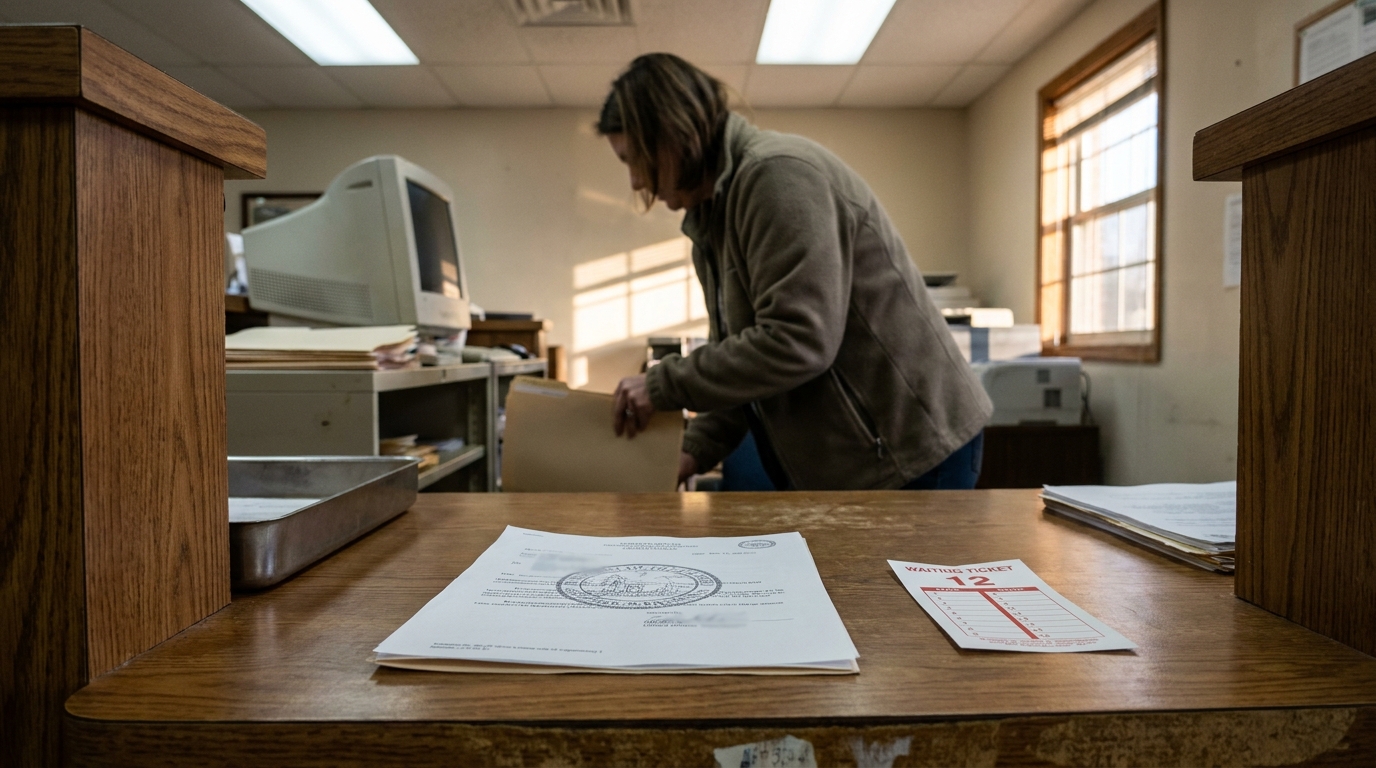
Understanding the NC Small Estate Affidavit
A small estate affidavit is a sworn document that authorizes a qualified person to gather a decedent’s assets when the estate is small enough to skip formal administration. It reduces delay, cost, and stress for families handling modest estates. The simplified probate NC process recognizes that not every estate needs months of court oversight.
What the Affidavit Covers
The affidavit reaches personal property that families often need to access quickly. It transfers title and license to motor vehicles, ownership rights of savings and checking accounts, and ownership rights in stocks or securities. Banks, credit unions, and the DMV generally honor a properly executed affidavit. Review the controlling text under North Carolina’s statute on collection of property by affidavit for precise language.
💡 Pro Tip: Gather account statements, vehicle titles, and a certified death certificate before filing. Having these documents ready makes the asset-transfer process with banks and the DMV smoother.
Where and When to File
The affidavit must be filed in the right county before recovering assets. Under G.S. § 28A-25-1(b), a copy shall be filed with the clerk of superior court in the county where the decedent was domiciled. For Charlotte-area families, that generally means Mecklenburg County Clerk of Superior Court, with payment of the required fee. Under G.S. § 28A-25-1(a), 30 days must elapse since death before the affidavit may be used. The procedure is available only if no personal representative has been appointed and no application is pending in any jurisdiction.
Who Can Use the Small Estate Affidavit in North Carolina
The statute limits eligibility to specific people to protect lawful estate administration. Under G.S. § 28A-25-1(a), eligible filers include the public administrator appointed pursuant to G.S. 28A-12-1, or an heir or creditor of the decedent, not disqualified under G.S. 28A-4-2.
Qualifying categories include:
- A public administrator appointed under G.S. § 28A-12-1
- An heir under North Carolina intestacy rules
- A creditor of the decedent
- A surviving spouse who is the sole heir, subject to a higher threshold
Each filer must not be disqualified under G.S. § 28A-4-2. That statute screens out individuals unsuitable to administer an estate. Because eligibility hinges on family relationships and creditor status, guidance from a Charlotte probate lawyer can prevent missteps.
💡 Pro Tip: If more than one heir exists, confirm early that everyone agrees on who will serve as affiant to avoid friction.
The $20,000 Threshold and the Surviving Spouse Exception
The dollar limit is measured after subtracting debts secured by the property. The general $20,000 estate affidavit NC ceiling applies to most intestate estates, covering personal property valued at $20,000 or less after liens and encumbrances.
A more generous limit applies when the affiant is the surviving spouse and only heir. The property threshold increases to $30,000 after reduction for any spousal allowance paid under G.S. § 30-15.
| Affiant | Property Threshold | Statute |
|---|---|---|
| Heir, creditor, or public administrator | Up to $20,000 (after liens) | G.S. § 28A-25-1(a) |
| Surviving spouse and sole heir | Up to $30,000 (after spousal allowance) | G.S. § 28A-25-1(a) |
A separate statute addresses estates where the decedent left a valid will. G.S. § 28A-25-1.1 provides for collection by affidavit when a decedent dies testate, with the same $20,000 general threshold and $30,000 surviving spouse threshold. Whether your loved one died with or without a will, a comparable simplified option may be available.
💡 Pro Tip: Only personal property counts toward these thresholds. Real estate is treated differently, so confirm how a home or land fits before assuming the estate qualifies.
How the Affiant Must Distribute Property
The law sets a strict order for paying out the estate. This sequence protects creditors and entitled heirs. Under G.S. § 28A-25-3, the affiant must disburse in order: year’s allowances to the surviving spouse and eligible children, debts and claims per G.S. 28A-19-6, then the remainder to persons entitled.
Following this priority is a fiduciary duty, not optional. An affiant who distributes to heirs before satisfying year’s allowances and valid debts may face personal exposure. Because creditor claims and family allowances can be fact-specific, confirm the proper order with counsel before distributing. Read more guidance on our estate planning blog.
When a Tenant Passes Away: Landlord Provisions
North Carolina addresses when a sole-occupant tenant dies and leaves belongings behind. NC law allows landlords to remove deceased tenant’s tangible personal property by filing an affidavit, provided at least 10 days have elapsed since the paid rental period expired and no personal representative or small estate affidavit has been filed.
A special rule applies to modest belongings. If the decedent leaves tangible personal property of $500 or less, the landlord may, without filing an affidavit, deliver the property to a nonprofit organization, provided inventory and notice requirements are met. Full provisions appear in the North Carolina tenant property statute. These landlord steps are unavailable if an estate affidavit has already been filed.
How a Probate Attorney Charlotte NC Families Rely On Can Help
Even a simplified process raises questions about eligibility, asset valuation, and creditor claims. A knowledgeable probate attorney Charlotte NC residents trust can confirm whether an estate qualifies, prepare the affidavit correctly, and ensure distributions follow statutory order. This is especially valuable when assets cross state lines into South Carolina or Tennessee, where each state runs its own probate process.
Many families assume a will avoids probate, but that is generally incorrect. A will still passes through probate, while a properly funded revocable living trust allows assets to pass outside probate in all three states our firm serves. A trust and estates attorney Charlotte families consult can explain whether such planning fits your goals.
💡 Pro Tip: If managing assets in multiple states, ask whether each offers its own small estate procedure. Thresholds and forms differ.
Frequently Asked Questions
1. Does the small estate affidavit work if there is a will?
Yes, a comparable affidavit option exists for testate estates. G.S. § 28A-25-1.1 provides a parallel procedure with the same $20,000 and $30,000 thresholds. Confirm eligibility with counsel.
2. How long must I wait before filing?
You must wait at least 30 days after death. This waiting period is built into G.S. § 28A-25-1(a), and the affidavit may be used afterward, provided the estate qualifies and no personal representative has been appointed.
3. Where do I file the affidavit in the Charlotte area?
You file with the clerk of superior court in the county of the decedent’s domicile. For most Charlotte residents, that is Mecklenburg County. A copy must be filed there with the required fee before recovering assets.
4. Does the affidavit cover real estate?
No, the small estate affidavit reaches personal property, not real property. It transfers vehicle titles, bank accounts, and securities. Real estate passes under separate North Carolina rules.
5. What if the estate exceeds the threshold?
An estate above the applicable limit requires formal administration. The simplified affidavit is unavailable, and a fuller probate process applies. Explore the broader framework in North Carolina’s Article 25 small estate provisions.
Moving Forward With Confidence
The North Carolina small estate affidavit offers an efficient way to settle modest estates without the burden of full probate. When an estate stays within the $20,000 limit, or $30,000 for a surviving spouse who is the sole heir, qualified heirs, creditors, and public administrators may use this tool to transfer property and honor a loved one’s legacy. Following the statutory distribution order and filing in the correct county remain essential. For families who want to avoid probate altogether in the future, thoughtful planning with a Charlotte probate lawyer can make all the difference.
You do not have to navigate this process alone. Whether you are settling a small estate today or planning ahead to protect your family’s home and savings, Sawyer & Associates is ready to help. Call us at 252-271-0830 or schedule a consultation online to get clear, personalized guidance for your family’s needs.
Have questions about your situation? Talk with our North Carolina estate planning and probate attorneys.
Related Reading
This article is part of our guidance on Probate and Estate Administration. You may also find these helpful:
- SC Raised the Small Estate Threshold to $45,000 in 2025
- The Common Estate Planning Myth: A Will Does Not Keep Your Estate Out of Probate
- What Is the 90-Day Estate Inventory Deadline in Charlotte, NC?
Follow Sawyer & Associates in Google
Add us as a preferred source and our probate, estate planning and elder law articles surface higher when you search these questions in North Carolina, South Carolina and Tennessee.