
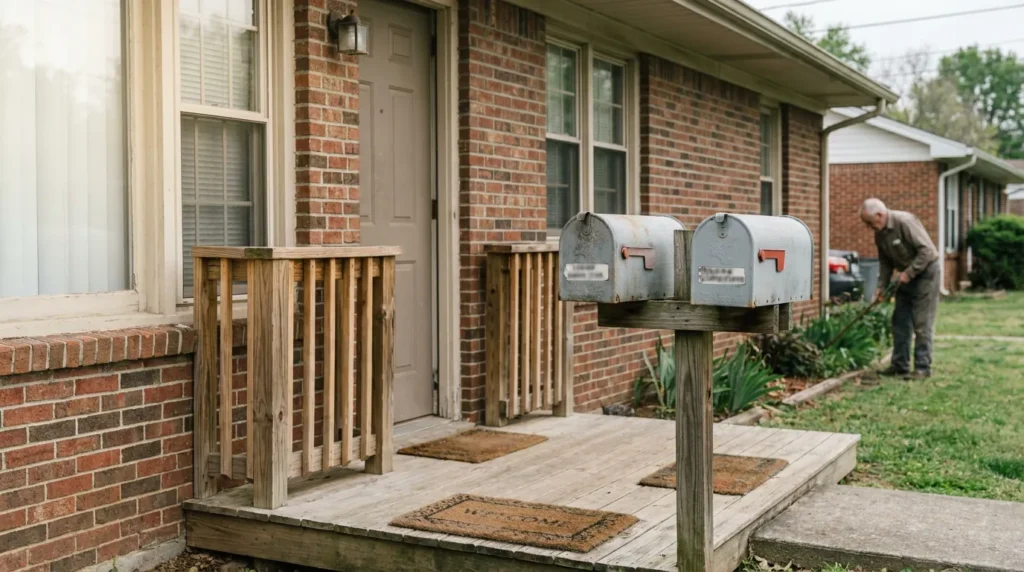
Understanding How TennCare Reaches a Family Home After Death
Key Takeaways: A home held in validly created joint tenancy with right of survivorship in Tennessee is typically protected from TennCare estate recovery because TennCare recovers only from a deceased member’s probate estate, and survivorship property bypasses probate. However, Tennessee abolished automatic survivorship for joint tenancy under Tenn. Code Ann. § 66-1-107, so deeds without express survivorship language allow a deceased owner’s share to fall into probate and become exposed to recovery. Estate recovery is federally mandated, occurs only after death, never reaches a living recipient’s home, and never holds family members personally responsible. Tennessee Code § 71-5-116 bars claims while a surviving spouse or minor child lives, defers recovery for a blind or permanently disabled child subject to undue-hardship determination, and prohibits pre-death liens except pursuant to court judgment for benefits incorrectly paid. The safest approach is proactive planning with correctly drafted deeds or properly funded trusts rather than relying on wills, which do not avoid probate.
Useful? Get our articles in your Google results.
In most cases, a home held in validly created joint tenancy with right of survivorship in Tennessee is not reachable through TennCare estate recovery. TennCare currently recovers only from a deceased member’s probate estate, and property passing automatically to a surviving owner never enters probate. However, Tennessee has a default rule that can quietly undo this protection if a deed is not drafted correctly, which is why families in Franklin, Tennessee should pay close attention to how title is held.
If you are helping a parent or spouse plan for long-term care, you do not have to figure this out alone. The team at Sawyer & Associates helps families across Tennessee protect the home and life savings while staying fully compliant with the rules. Call us at 615-570-9901 or reach out through our contact page to talk through your situation before a crisis forces a rushed decision.
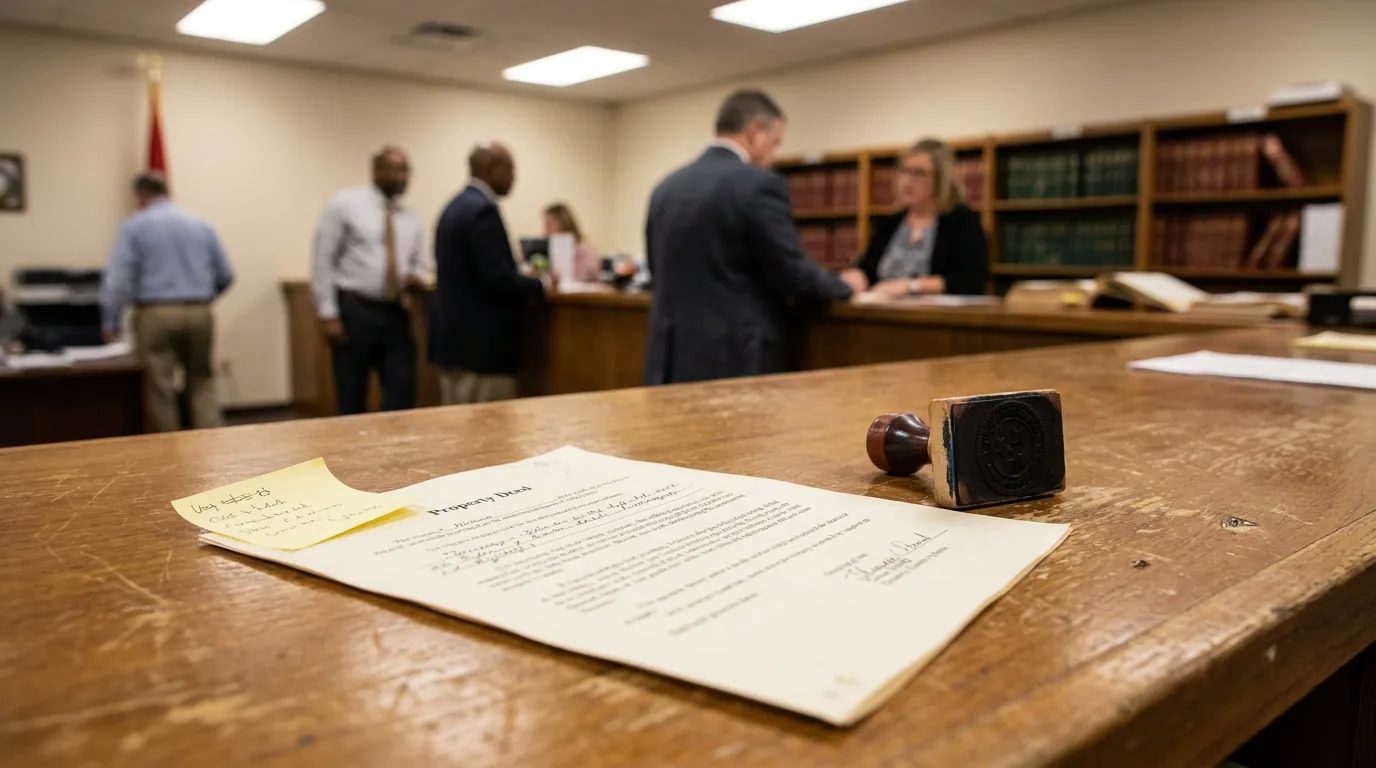
What TennCare Estate Recovery Actually Is
Estate recovery is the process TennCare uses after a recipient’s death to be reimbursed for long-term care costs. This is not a Tennessee invention but a federal mandate that every state Medicaid program must follow. A tenncare estate recovery lawyer can help families understand how this process affects their specific situation.
Recovery is tied to specific triggering conditions. Under program guidance, TennCare must seek recovery when the member received CHOICES Groups 1, 2, or 3 services, received care at age 55 or older, and is deceased. You can review the state’s published overview of TennCare’s estate recovery rules for the official framing. Notably, recovery happens only after death, and family members are not personally responsible.
One reassurance matters a great deal for worried families. TennCare does not chase the home while the recipient is living. Except pursuant to a court judgment for benefits incorrectly paid, it does not place a lien or collect from real estate during the patient’s lifetime, which gives families time to plan thoughtfully.
Why ‘Probate Only’ Recovery Is the Key to Protecting the Home
TennCare recovers through the probate court, and that single fact drives everything else. After the beneficiary dies, TennCare files a claim with probate court to recover from the estate. Because Tennessee currently defines the recoverable estate as the probate estate, assets that never enter probate are generally outside its reach.
Your probate estate is not the same as everything you own. Tennessee law carves certain assets out of the probate estate entirely. Property that passes by a valid right of survivorship is a classic example that skips probate and goes straight to the surviving owner.
Tennessee’s estate statutes confirm that survivorship property sits outside the probate estate. The small-estate definitions in Tenn. Code Ann. § 30-4-102(8) and (9) describe ‘property’ subject to probate while expressly excluding assets held with valid right of survivorship and assets payable to a beneficiary other than the estate. If a home passes automatically to a survivor by properly created survivorship interest, it typically is not part of the probate estate that recovery reaches.
The Tennessee Twist: Joint Tenancy Does Not Automatically Include Survivorship
Here is the trap that catches many well-meaning families in Franklin. Tennessee has abolished the automatic right of survivorship that people assume comes with joint tenancy. Under Tenn. Code Ann. § 66-1-107, when one joint tenant dies, that share does not automatically pass to the surviving joint tenant. Instead it descends to the deceased tenant’s heirs or estate, in the same manner as a tenancy in common, unless a valid right of survivorship has been expressly created.
This default rule is precisely where TennCare exposure sneaks back in. If a joint tenancy is treated like a tenancy in common, the deceased owner’s fractional share can fall into the probate estate. Once it lands in probate, that share becomes exposed to recovery. Simply writing ‘joint tenants’ on a deed, without clear survivorship language, may not shield the home at all.
The fix is careful drafting, not wishful thinking. To bypass probate and probate-based recovery, the deed must expressly and validly create a right of survivorship. Getting that survivorship language right is the difference between a home that transfers cleanly and a fractional interest pulled into probate. An experienced asset protection lawyer can review your deed and ensure it includes the necessary language.
💡 Pro Tip: Pull out the actual deed and read the vesting language before assuming a home is protected. Words like ‘as joint tenants with right of survivorship’ or ‘tenants by the entirety’ matter far more than an informal belief that ‘we own it together.’
Statutory Limits That Further Protect Families
Even when recovery is on the table, Tennessee law builds in meaningful protections. The controlling statute, Tennessee Code § 71-5-116, narrows when and how TennCare may pursue an estate. Recovery may be pursued only after the death of the individual’s surviving spouse, if any, and only when the individual has no surviving child under eighteen, and in the case of a blind or permanently and totally disabled child, recovery is deferred where undue hardship is established.
The statute also limits liens and spreads out any recovery. It provides that no lien may be imposed against a recipient’s real property before death, except pursuant to a court judgment for benefits incorrectly paid. Recoveries are prorated among the federal government, the state, and the county involved.
Enforcement is governed by a codified process with statutory deadlines that families should understand. TennCare’s estate recovery is governed by T.C.A. Section 71-5-116 and the Request for Release (RFR) procedure. Since April 1, 2021, Tennessee law imposes strict statutory deadlines on TennCare to file estate recovery claims, making enforcement significantly more predictable than it was previously. While some discretion remains regarding small estates and hardship waivers, TennCare cannot pursue claims indefinitely, claims are forever barred if not filed within the applicable statutory timeframes. Working with a qualified tennessee elder law attorney helps families navigate these deadlines and protect their interests. Key protections families should keep in mind include:
- Recovery is limited to what passes through the probate estate, so keeping the home out of probate is central.
- No claim can proceed while a surviving spouse is living or a minor child survives, and recovery may be deferred for a blind or permanently disabled child where undue hardship is established.
- Before a probate estate of a TennCare enrollee can be closed, the personal representative generally must file a release from TennCare showing payment, waiver, or that no amount is due.
Hardship Waivers and Low-Value Estate Exceptions
TennCare may waive recovery when pursuing it would create undue hardship. Families caring for a blind or permanently disabled adult child, or those facing other exceptional circumstances, may qualify for a hardship waiver that defers or eliminates the claim. Each case is evaluated individually, and documentation is critical.
Small estates may also receive relief. When the total value of the probate estate falls below certain thresholds, TennCare may choose not to pursue recovery due to administrative costs. However, this is discretionary, and families should not rely on informal exemptions without proper legal guidance from a medicaid planning attorney.
Building a Plan That Actually Holds Up
Protecting a home from TennCare is about aligning the paperwork with Tennessee’s specific rules, not copying a form from another state. A revocable living trust, for instance, allows assets to pass outside of probate in Tennessee and in every state where our firm works, which can accomplish what a poorly drafted joint deed cannot. Families benefit from understanding how Medicaid crisis planning works before signing anything.
A common and costly misconception deserves a direct correction. Having a will does not avoid probate. A will simply directs how probate property is distributed, which means a home passed only by will still travels through the very process TennCare uses. Avoiding probate generally requires tools like a properly funded trust or a valid survivorship interest, not a will alone.
Every family’s facts are different, and outcomes depend on those facts. Transfer timing, look-back rules, and spousal protections all interact, and a strategy that helps one household can backfire for another. Working with a knowledgeable tenncare estate recovery lawyer helps ensure the home is titled and documented correctly under both TennCare’s requirements and Tennessee property law.
Frequently Asked Questions
1. Can TennCare take my home while I am still alive?
No. TennCare does not place a lien on a recipient’s real estate or collect while the patient is living. Section 71-5-116(b) prohibits a pre-death lien except pursuant to a court judgment for benefits incorrectly paid. Recovery is an after-death process only.
2. Does joint tenancy automatically protect our home in Tennessee?
Not by itself. Under Tenn. Code Ann. § 66-1-107, joint tenancy in Tennessee does not carry automatic survivorship, so the deed must expressly create a valid right of survivorship. Without that language, a deceased owner’s share can fall into probate and become exposed to recovery.
3. Will my children have to pay TennCare from their own money?
No. Estate recovery reaches the value of the estate, not your relatives’ personal assets. Family members are not personally responsible for the debt. The claim is limited to what passes through the probate estate.
4. Does a will keep our home out of TennCare’s reach?
Generally, no. A will does not avoid probate; it directs distribution within probate. Because TennCare recovers through the probate process, avoiding probate usually requires a trust or a valid survivorship interest rather than a will.
5. What happens before a TennCare recipient’s estate can be closed?
A release is typically required. Before closing a probate estate of a deceased enrollee, the personal representative generally must file a release from TennCare evidencing payment, a waiver of the claim, or a statement that no amount is due.
Bringing It All Together for Franklin Families
A home held in joint tenancy can be protected from TennCare, but only when the survivorship interest is validly created and the asset truly bypasses probate. Because Tennessee’s default rule strips automatic survivorship from joint tenancy, the wording on your deed and the structure of your overall plan determine whether the home is shielded or exposed. Recovery runs through probate, applies only after death, and carries important spousal and dependent-child protections, yet understanding the statutory deadlines and official procedures makes proactive planning all the more important.
You do not have to guess whether your deed and documents will hold up. The team at Sawyer & Associates offers a free 30-minute consultation and a veteran discount, and we help families across Tennessee title, plan, and document their assets with care. Call 615-570-9901 or schedule your consultation online to protect your home and gain real peace of mind.
Have questions about your situation? Talk with our Tennessee estate planning and probate attorneys.
This article is for general educational purposes and is not legal advice. Outcomes depend on your specific facts, and eligibility figures and rules can change, so please consult a qualified attorney about your situation.
Follow Sawyer & Associates in Google
Add us as a preferred source and our probate, estate planning and elder law articles surface higher when you search these questions in North Carolina, South Carolina and Tennessee.