
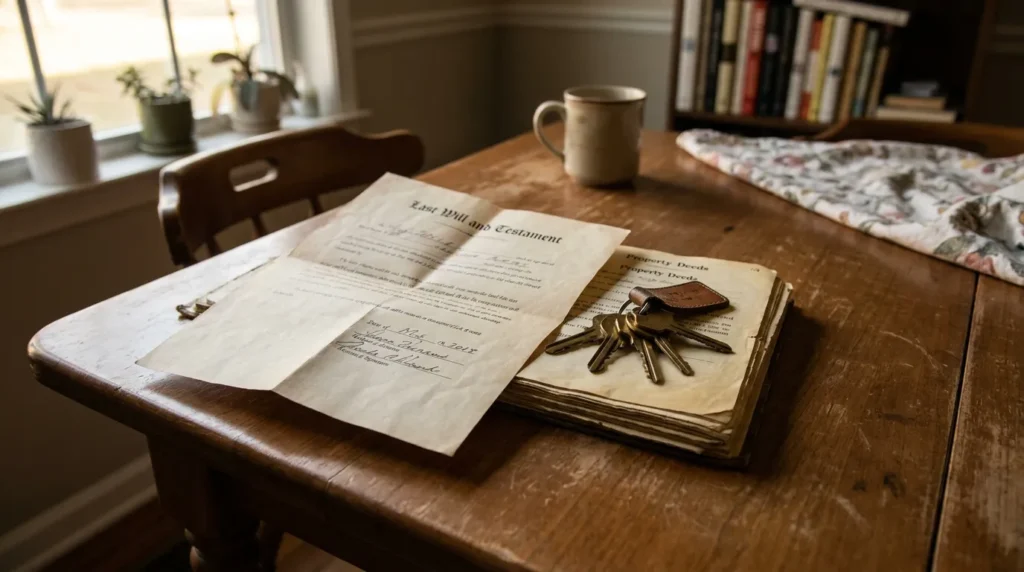
Understanding What Probate Really Means for Fort Mill Families
Key Takeaways: If no one files probate in Fort Mill, SC, the estate stalls because a South Carolina will has no legal power until validated by the court under Section 62-3-102, leaving the named executor without authority to pay debts, gather assets, or distribute property. Real estate may technically pass to heirs but becomes difficult to sell, refinance, or insure without a clear probate record, while financial institutions freeze accounts until a personal representative is appointed. Critical deadlines can quietly expire, including the ten-year outer limit to open probate and the thirty-day window to notify heirs. A common myth is that having a will avoids probate, when in fact a will must pass through probate to take effect, only tools like a revocable living trust typically pass assets outside court. Without a will, South Carolina’s intestate succession statutes dictate who inherits, which may not reflect the decedent’s wishes.
Useful? Get our articles in your Google results.
When a loved one passes away in Fort Mill, probate is the court-supervised process that confirms a will, appoints someone to manage the estate, and ensures property reaches the right people. If no one files probate, the estate sits in limbo. Title to assets cannot transfer cleanly, creditors remain unpaid, and the named executor has no legal authority to act. In South Carolina, a will has no power until a court accepts it.
Failing to file probate can stall an entire estate and expose the family to avoidable complications. Property remains stuck in the decedent’s name, heirs cannot sell or refinance a home, and statutory deadlines may quietly expire. Working with Sawyer & Associates helps families protect what their loved one built. Reach the firm through its confidential contact form, explore the Sawyer & Associates website, or call 803-598-0082.
What Happens When No One Files Probate
When probate is never opened, the estate does not resolve itself. Under South Carolina law, Section 62-3-102 provides that a will must be declared valid through informal probate or adjudication by the court to transfer property or nominate an executor. Until that happens, the named executor has no authority to pay bills, distribute property, or manage accounts.
A "personal representative" is the person legally empowered to handle the estate, and that power comes only through appointment. Section 62-1-201(33) defines a personal representative to include an executor, administrator, successor personal representative, and special administrator. Without filing, no one can lawfully gather assets, address creditor claims, or close the estate, causing months or years of delay.
💡 Pro Tip: Locate the original signed will early. Courts prefer the original document when an estate is opened.
How Real and Personal Property Are Affected
Without probate, the law directs where property goes but without court order. Section 62-3-101 explains that upon death, real property devolves to those named in the will or their substitutes, while personal property devolves first to the personal representative for administration and creditor claims. Real estate may technically pass to heirs, yet lack of a clear probate record makes it difficult to sell, insure, or refinance.
Personal property faces different problems because it passes through the personal representative first. When no representative is appointed, no one has authority to settle debts, file final tax returns, or distribute accounts. Banks typically require court documentation before releasing funds, so essential assets become frozen. These bottlenecks are why people seek a Fort Mill probate attorney after months of frustration.
Deadlines That Can Quietly Expire
South Carolina places an outer limit on how long probate can wait. Section 62-3-108(A)(1) generally provides that no probate proceeding may commence more than ten years after death, though the statute recognizes limited exceptions. The 2024 amendment (Act No. 122, effective May 13, 2024) added a specific exception allowing appointment proceedings to be maintained for the sole purpose of filing a claim under Section 804 of the federal PACT Act of 2022, rather than creating a broad extraordinary-circumstances exception. Evidence fades, witnesses move, and assets can be lost long before a decade passes. Because exceptions are narrow and applied at the court’s discretion, waiting is rarely sound strategy.
Notice rules carry their own timelines. Section 62-3-306(b) requires that within thirty days after informal probate, the applicant must give written information to heirs and devisees. Failing to do so is a breach of duty, though it does not invalidate the probate. Review these procedures in South Carolina’s official South Carolina probate administration code.
💡 Pro Tip: Keep a written timeline of key dates, including the date of death and when probate is opened. Deadlines often run from these anchors.
Why a Probate Lawyer Fort Mill SC Families Trust Matters
A knowledgeable attorney helps families navigate filing requirements, notice obligations, and practical hurdles. Probate involves understanding which assets pass through the estate, how to handle creditor claims, and how to protect a personal representative from personal liability. South Carolina probate courts oversee these matters at the county level, and procedures can feel unfamiliar to families managing grief.
Guidance is especially valuable when estates cross state lines or involve multiple property types. Many Fort Mill families own assets in nearby North Carolina, and each state runs its own probate system with distinct rules. Sawyer & Associates serves clients across North Carolina, South Carolina, and Tennessee. Learn more about the firm’s estate administration Fort Mill SC practice resources.
The law itself is publicly available. The University of South Carolina maintains a thorough estate law research guide linking to relevant statutes and court resources.
The Common Myth That a Will Avoids Probate
One persistent misunderstanding is that having a will keeps an estate out of probate. The opposite is true. A will is the document that probate exists to validate. Section 62-1-201(35) defines the probate estate as property passing under the will plus property passing by intestacy. A will directs distribution but must pass through court to take effect.
A revocable living trust is the tool designed to let assets pass outside of probate. In all five states the firm serves, assets properly titled in a revocable living trust can transfer to beneficiaries without court supervision. This distinction matters for families wanting to avoid probate’s delay and public process. Trust-based planning is also relevant to Medicaid crisis planning, where strategies to protect assets during nursing home needs vary by state.
When Trust Planning Deserves a Closer Look
Trust planning depends on your assets, family, and goals. A trust may avoid probate, maintain privacy, and provide for incapacity, but it must be funded correctly. Simply signing a trust document without retitling assets is insufficient. This is why families benefit from individualized advice rather than generic templates.
💡 Pro Tip: Review beneficiary designations on life insurance and retirement accounts. These assets often pass outside probate already, regardless of what a will says.
How Property Passes Without a Will in South Carolina
When someone dies without a valid will, South Carolina’s intestate succession statutes decide who inherits. Section 62-2-101 provides that any estate portion not disposed of by will passes to heirs by intestate succession. Section 62-2-103 sets a clear priority order, and Section 62-2-102 addresses the surviving spouse’s share.
| Surviving Relatives | General Intestate Result |
|---|---|
| Spouse, no children | Spouse receives the entire intestate estate |
| Spouse and children | Spouse receives one-half; children share the remainder |
| Children, no spouse | Estate passes to the decedent’s issue |
| No spouse or children | Passes to parents, then siblings, then grandparents and their descendants |
The hierarchy continues in a defined sequence when closer relatives do not survive. Under Section 62-2-103, the order generally runs to the decedent’s issue, then parents, then issue of parents, then grandparents or their issue. If no taker exists under these categories, the estate passes to the State of South Carolina under Section 62-2-105. Because these outcomes are fixed by statute, they may not reflect what your loved one wanted, which is why proper planning matters.
Frequently Asked Questions
1. Is probate always required in South Carolina?
Not every asset must pass through probate. Property held in a trust, jointly titled assets, and accounts with named beneficiaries often transfer outside the process. However, solely owned property and assets without beneficiary designations generally require probate court administration.
2. What is the deadline to file probate after a death?
South Carolina sets a ten-year outer limit under Section 62-3-108(A)(1). The statute recognizes limited exceptions; for example, the 2024 amendment (Act No. 122, effective May 13, 2024) added a specific exception allowing appointment proceedings to be maintained solely for the purpose of filing a claim under Section 804 of the federal PACT Act of 2022. Waiting often creates practical problems with assets and evidence, so families should act well before that limit.
3. Can a will be contested after informal probate?
Yes, but only within a defined window. Section 62-3-108(A)(2)(c) allows a proceeding to contest an informally probated will within eight months from informal probate or one year from death, whichever is later.
4. What happens to the family home if probate is never filed?
The home may technically pass to heirs yet remain difficult to use. Without a clear probate record, selling, refinancing, or insuring the property becomes complicated because title is not formally cleared. Find more guidance through the firm’s probate and estate articles.
5. Does having a will mean my family avoids probate?
No, a will does not avoid probate. A will must go through probate to take effect. A revocable living trust is the planning tool generally used to pass assets outside the court process.
Moving Forward With Confidence and Clarity
Failing to file probate rarely makes an estate easier; it usually makes it harder. Assets stall, deadlines pass, and loved ones face avoidable obstacles. South Carolina’s probate code provides a clear path but requires action, accurate filings, and attention to notice and timing rules. Whether an estate is simple or spans multiple states, understanding your responsibilities early saves significant stress. Every situation is different, so individualized guidance is always wise.
You do not have to navigate estate administration alone. Sawyer & Associates helps families across South Carolina and four neighboring states approach probate and estate planning with clarity and compassion. Discuss your circumstances through the firm’s secure contact page, visit the Sawyer & Associates home page, or call 803-598-0082 to take the next step toward peace of mind.
Have questions about your situation? Talk with our South Carolina estate planning and probate attorneys.
Related Reading
This article is part of our guidance on Probate and Estate Administration. You may also find these helpful:
- SC Probate Takes 8 to 12 Months: What Fort Mill Families Should Know
- What Happens to Digital Assets During Probate in Charlotte, NC?
- What Happens to a House in Probate in Charlotte, NC?
Follow Sawyer & Associates in Google
Add us as a preferred source and our probate, estate planning and elder law articles surface higher when you search these questions in North Carolina, South Carolina and Tennessee.