
Understanding South Carolina’s Streamlined Path Through Probate
Key Takeaways: Informal probate is South Carolina’s simplified, administrative route for proving a will and appointing a personal representative without a formal court hearing. Governed by Part 3 of Article 3, Title 62, it is handled by the probate court clerk and remains conclusive unless superseded by a formal testacy order. It is generally available when an estate is uncontested, the will is valid on its face, and no competing testamentary documents exist, though proceedings must begin within ten years of death. Informal probate is unavailable when overlapping wills, document disputes, or authenticity questions arise. Smaller estates not exceeding $45,000 may bypass full probate through a simplified affidavit process. Because every estate is unique, guidance from an experienced probate attorney helps families confirm eligibility and settle the estate with confidence.
Useful? Get our articles in your Google results.
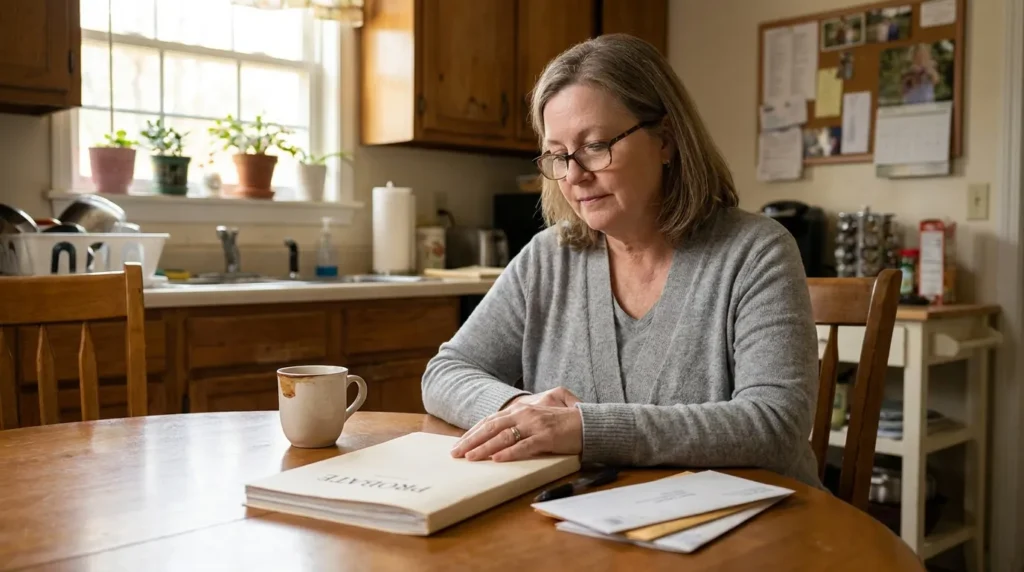
Informal probate is South Carolina’s simplified, administrative route for proving a will and appointing a personal representative without a formal court hearing. When a loved one passes away and the estate is straightforward, families in Fort Mill and across York County often qualify for this process. It allows an executor to begin handling the estate efficiently, rather than waiting on contested litigation or a judge’s calendar. For many families, that difference means weeks of saved time and less stress during a difficult season.
If you are stepping into the role of executor or trying to understand your options, the team at Sawyer & Associates is here to guide you. Call us at 803-598-0082 or reach out through our secure contact page to discuss your situation.
What Informal Probate Means Under South Carolina Law
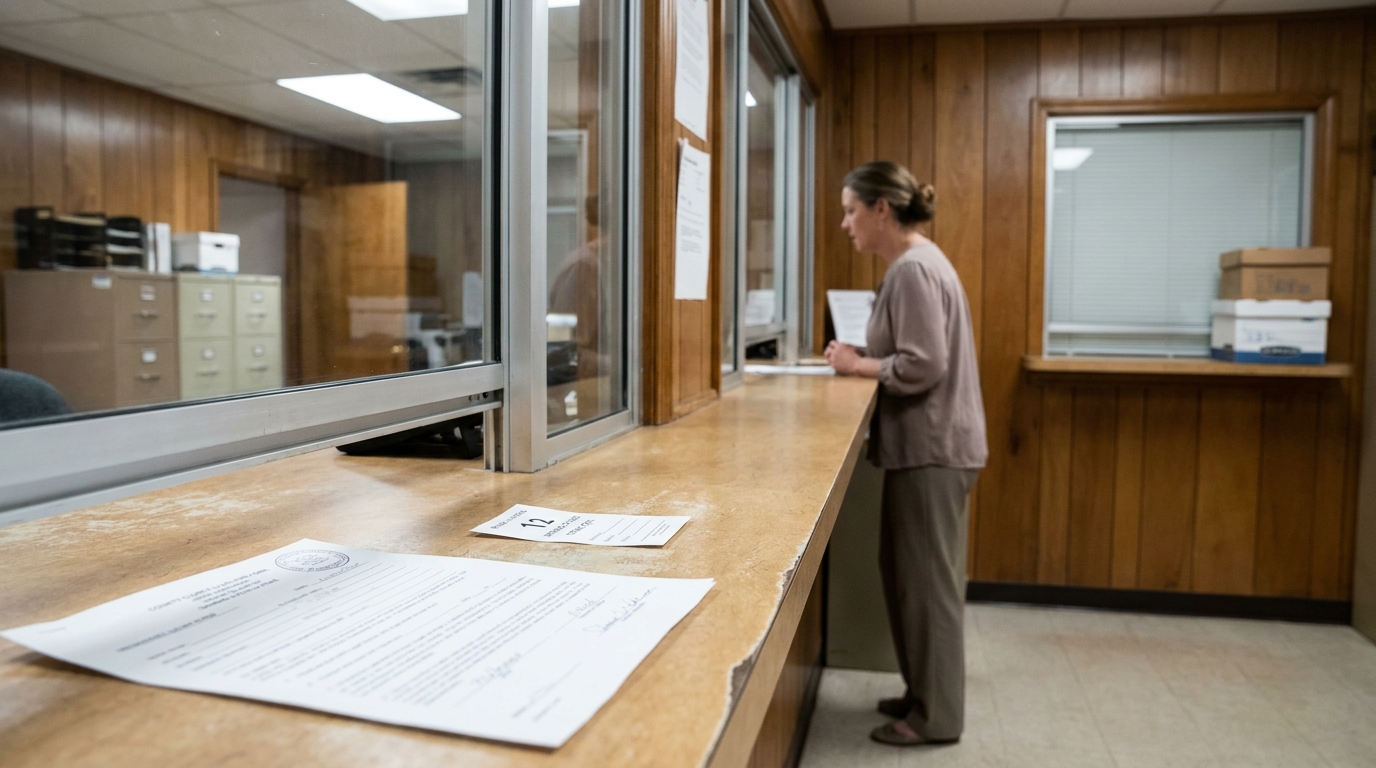
Informal probate is a court-supervised but non-adversarial procedure handled by the probate court clerk rather than through a formal hearing before a judge. South Carolina’s informal probate provisions are codified in Part 3 of Article 3, Title 62, covering Sections 62-3-301 through 62-3-311. These provisions were enacted in 1986 and amended effective January 1, 2014, as part of the South Carolina Probate Code.
The defining feature of informal probate is its conclusive, yet not permanent, legal effect. Once granted, the process carries real legal weight. Informal probate is conclusive as to all persons unless and until it is superseded by an order in a formal testacy proceeding. Importantly for executors worried about technical missteps, procedural defects in the application do not render informal probate void. That safeguard offers peace of mind, though it never replaces careful, accurate filing.
💡 Pro Tip: Keep a dedicated folder for the death certificate, original will, asset list, and court correspondence. Organized records make the informal probate filing in SC smoother and help you fulfill your fiduciary duties without delays.
When Informal Probate Is Available in South Carolina
Informal probate is generally available when an estate is uncontested, the will is valid on its face, and no competing testamentary documents complicate matters. Understanding when it applies is the first step toward smooth administration.
Timing Requirements You Should Know
South Carolina sets clear time boundaries on when informal proceedings can begin. For nonresident decedents, the court must delay the informal appointment order until 30 days after death, unless the domicile-appointed personal representative is the applicant or the will directs SC law to apply. Informal probate or appointment proceedings must be commenced within ten years after the decedent’s death under Section 62-3-108.
Even valid wills must clear a proof threshold before the court accepts them informally. A will with required signatures and an attestation clause showing compliance with Section 62-2-502 or 62-2-505 may be probated without further proof. Upon receiving an application for informal probate of a will, the court must make findings required by Section 62-3-303 and then issue a written statement of informal probate. You can review the full statutory framework in South Carolina’s official informal probate statute on conclusive effect.
Smaller Estates and Alternatives to Full Probate
Some estates are small enough to bypass formal administration entirely. For small estates with a value not exceeding $45,000, South Carolina allows collection of personal property by affidavit under Section 62-3-1201 as an alternative to probate. This can be a practical path for families whose loved one left limited probate assets.
💡 Pro Tip: A common misconception is that having a will avoids probate altogether. In South Carolina, a will still passes through probate. A properly funded revocable living trust is generally what allows assets to pass outside of probate.
When Informal Probate Is Not an Option
Informal probate is unavailable in certain cases, and those estates must proceed through formal proceedings instead. Section 62-3-304 identifies cases where informal probate is unavailable. Recognizing these situations early helps you choose the correct path.
One frequent disqualifier involves multiple, overlapping testamentary documents. When a decedent left several instruments and the most recent does not cleanly cancel the earlier ones, the court will not proceed informally. SC Code Section 62-3-304 specifies that informal probate must be declined when applications relate to one or more of a known series of testamentary instruments, other than a will and its codicils, where the latest does not expressly revoke the earlier ones. You can read the precise language in the statute governing when informal probate must be declined.
Other circumstances that often point toward formal proceedings include:
- Questions about the authenticity or proper execution of the will
- A missing original will or only a copy being available
- Disputes among interested parties about who should serve as personal representative
- Estates where the court needs a judicial order to resolve testacy questions
💡 Pro Tip: If you are unsure whether your situation fits the informal or formal track, gather every version of the will before filing. Comparing the documents early can save you from restarting under a different procedure.
How the Informal Probate Process Works Step by Step
Once an application is properly submitted, the court follows a defined sequence to appoint a personal representative. The personal representative is the person legally authorized to manage and settle the estate. Upon application for informal appointment, the court shall appoint the applicant after making required findings under Section 62-3-308, subject to qualification and acceptance.
The appointment carries immediate and durable authority. An informal appointment fully establishes the personal representative’s status, powers, and duties, and the appointment is not subject to retroactive vacation. However, an informal appointment is subject to termination under Sections 62-3-608 through 62-3-612 but cannot be retroactively vacated.
The chart below summarizes how informal and formal probate generally compare in South Carolina.
| Feature | Informal Probate | Formal Probate |
|---|---|---|
| Hearing required | Generally no | Yes, before the court |
| Best suited for | Uncontested, valid wills | Disputes or document questions |
| Speed | Typically faster | Often longer |
| Legal effect | Conclusive until superseded | Resolved by court order |
A contest window remains open for a limited period after informal probate. An informally probated will can be contested by commencing a formal testacy proceeding, which generally must be filed within the later of eight months after the informal probate or one year after the decedent’s death under Section 62-3-108. Courts generally interpret these deadlines according to their statutory terms, and outcomes can be fact-specific.
Why a Probate Lawyer Fort Mill SC Families Rely On Makes a Difference
Choosing the right procedure and filing it correctly is where guidance from an experienced probate lawyer Fort Mill SC residents trust becomes valuable. While informal probate is designed to be accessible, the rules around timing, document validity, and disqualifying circumstances can be nuanced. A knowledgeable attorney can help you confirm eligibility, avoid procedural pitfalls, and meet your fiduciary obligations. Our firm is recognized for guiding families through estate administration in Fort Mill and the surrounding York County communities.
Because every estate is different, a brief conversation often clarifies your best path forward. As a trusted multi-state resource serving North Carolina, South Carolina, and Tennessee, we help executors understand how each jurisdiction’s probate timeline and procedures may apply. For additional educational reading, our regularly updated South Carolina probate insights cover common questions families ask.
💡 Pro Tip: If a loved one is facing nursing home care, ask about Medicaid crisis planning. Asset-protection rules vary significantly by state, and the right strategy depends on current figures that should be confirmed with an attorney before you act.
Frequently Asked Questions
-
Does informal probate mean I avoid going to court entirely?
Informal probate is handled administratively by the probate court rather than through a formal hearing. You will still file an application and work with the York County probate court, but a contested judicial hearing is generally not required when the estate qualifies.
-
Can informal probate be undone later?
An informal appointment cannot be retroactively vacated, but it can be terminated through the statutory process. An informal appointment is subject to termination under Sections 62-3-608 through 62-3-612. It also remains conclusive until superseded by a formal testacy order.
-
How long do I have to begin informal probate in South Carolina?
You generally must commence proceedings within ten years of the decedent’s death. Specific timing rules can shorten that window in practice, and nonresident decedent cases involve additional delays. An attorney can confirm how the deadlines apply to your situation.
-
Will a will keep my family out of probate?
No. A will directs how assets are distributed, but it still passes through probate. A properly funded revocable living trust is generally what allows assets to bypass probate in South Carolina and the other states our firm serves.
-
What if the estate is small?
Smaller estates may qualify for a simplified affidavit process. For small estates with a value not exceeding $45,000, South Carolina allows collection of personal property by affidavit under Section 62-3-1201.
Moving Forward With Clarity and Confidence
Informal probate offers South Carolina families a faster, less adversarial way to settle an estate when the will is valid and circumstances are uncontested. From understanding timing requirements and proof standards to recognizing when formal proceedings are required, the informal vs formal probate decision shapes the entire administration. With the right preparation and guidance, executors can fulfill their duties efficiently while protecting family assets.
When you are ready to take the next step, the compassionate team at Sawyer & Associates is here to help you navigate the SC probate process with care. Call us today at 803-598-0082 or send a message through our confidential contact form to get clear, practical guidance for your family.
Have questions about your situation? Talk with our South Carolina estate planning and probate attorneys.
Related Reading
This article is part of our guidance on Probate and Estate Administration. You may also find these helpful:
- Will a Probate Lawyer Speed Up Probate in NC, SC or TN?
- Can I Handle Probate Without a Lawyer? Exploring DIY Probate Options
- What Is the Maryland Information Report for Non-Probate Assets in Baltimore?
Follow Sawyer & Associates in Google
Add us as a preferred source and our probate, estate planning and elder law articles surface higher when you search these questions in North Carolina, South Carolina and Tennessee.