
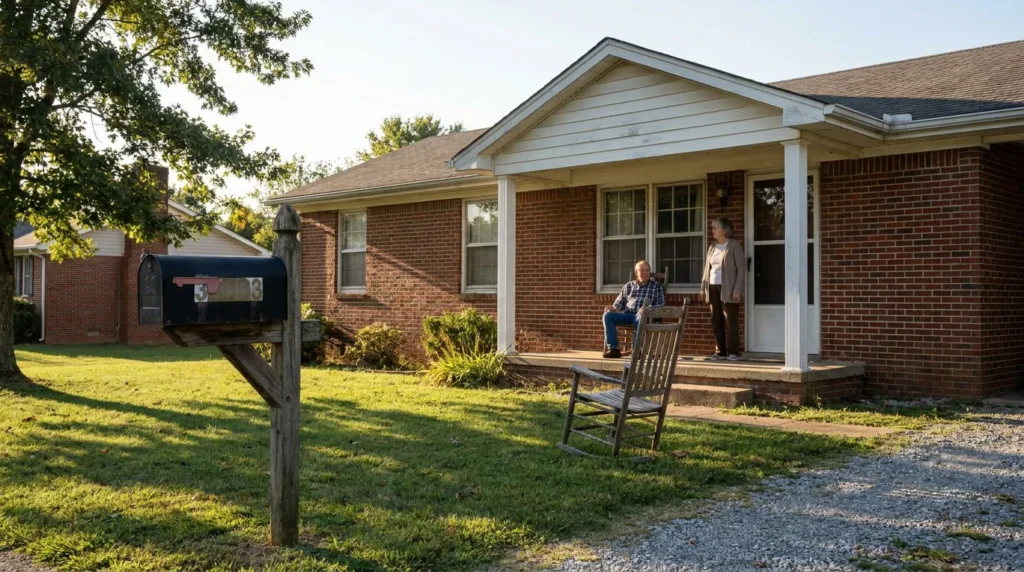
Keeping Your Home in the Family: A Plain-English Look at Tennessee Life Estate Deeds
Key Takeaways: A Tennessee life estate deed divides property ownership over time, letting the life tenant live in, use, and rent the home for life while a named remainderman holds a future interest that can become full ownership at the life tenant’s death. Because that transfer generally happens by operation of the deed, the property may pass outside probate, and statutes such as Tenn. Code Ann. § 66-1-103 and § 30-2-304 address how certain remainders are treated and how leases are handled after a life tenant’s death. This structure is often explored as a way to keep the family home outside TennCare estate recovery, though Medicaid eligibility rules, transfer penalties, and recovery exceptions make the analysis highly fact-specific, and both federal and state law permit states to define "estate" more broadly than probate assets. The trade-offs can be significant: the deed generally cannot be undone without the remainderman’s cooperation, the remainder interest may be exposed to that person’s creditors, and flexibility to sell or borrow against the home may be lost. On the positive side, property passing at death through a properly retained life estate is generally included in the life tenant’s taxable estate and often receives a stepped-up basis, which may reduce capital gains tax on a later sale. For some families, a properly funded revocable living trust, an irrevocable trust, or an enhanced life estate may better balance probate avoidance with continued control.
Useful? Get our articles in your Google results.
A life estate deed in Tennessee is a recorded deed that splits ownership of real property across time. The life tenant generally keeps the legal right to live in, use, and benefit from the property for life, while a named remainderman receives a future interest that can become full ownership when the life tenant dies. Because that transfer generally happens automatically, the property may pass outside probate, one reason families across Middle Tennessee explore this tool. It isn’t right for everyone, and sometimes a revocable living trust or other approach protects a family better.
If you are weighing whether this deed fits your family’s situation, the team at Sawyer & Associates can walk you through the options in clear language. Call (803) 274-1095 or schedule your free consultation for a 30-minute conversation about your goals.

How a Life Estate Deed Tennessee Families Use Actually Works
A life estate deed creates two distinct ownership interests in a single property at the moment it is signed and recorded. The life tenant holds a possessory interest lasting for their life, and the remainderman holds a future interest that can ripen into outright ownership at the life tenant’s death. Tennessee’s county register of deeds offices routinely record these instruments, and the University of Tennessee’s county real property instruments guide catalogs life estate deeds among recognized conveyances used statewide.
This differs from simply adding a child to the title because of timing. With a standard joint deed, both owners generally hold present possessory interests immediately. With a life estate, the remainderman generally cannot force a sale, move in, or use the property during the life tenant’s lifetime, preserving the elder’s control and dignity. Drafting precision matters, since courts look closely at the deed’s exact language.
The Rights a Life Tenant Keeps
A life tenant generally retains substantial rights many families don’t realize survive the deed: the right to occupy the home, rent it out and collect income, and the responsibility for taxes, insurance, and upkeep. The life tenant generally cannot convey or mortgage the full fee simple interest alone; that usually requires the remainderman’s participation, though the life tenant may transfer or encumber only their own life estate interest.
- The right to live in the home for life without paying rent to anyone
- The right to lease the property and receive rental income during the life estate
- The obligation to maintain the property and avoid waste that damages the remainder interest
- The continued ability to claim applicable homestead or property tax relief benefits, subject to eligibility rules
How the Remainder Interest Vests
Under Tenn. Code Ann. § 66-1-103, when an estate is conveyed to a person for life with a remainder to that person’s heirs, those heirs generally take as purchasers under the instrument itself rather than by inheritance through the life tenant. An interest taken as a purchaser generally does not pass through the life tenant’s probate estate.
What Happens to Leases at the Life Tenant’s Death
Under Tenn. Code Ann. § 30-2-304(a), if a life tenant leases the property and dies before the rent term expires, the rent may be apportioned, and the life tenant’s personal representative may recover a pro rata share from the lessee for the period before death. Under § 30-2-304(b), a farm tenant who rented from a life tenant under a written contract for a year or less may hold possession through the end of the contract year against the remaindermen, with rents apportioned between the deceased life tenant’s estate and the remainderman. Application depends on lease terms and case facts.
The practical lesson: a remainderman doesn’t always receive a clean slate. Leases, easements, liens, and other obligations validly created during the life estate can continue to affect the property. Families should inventory such obligations before signing anything.
Where Life Estate Deeds Fit Among Tennessee Deed Types
Tennessee recognizes several deed structures, and choosing among them depends on the family’s goals. A warranty deed transfers ownership with title covenants; a quitclaim deed transfers whatever interest the grantor has, without warranties. Tenn. Code Ann. § 66-1-110 addresses tenancy by the entirety, a survivorship structure generally available only to married couples that operates very differently from a life estate.
| Structure | Who controls during life | How it passes at death | Probate avoided? |
|---|---|---|---|
| Life estate deed | Life tenant, with limits on sale | Generally to remainderman | Generally yes, for that property |
| Tenancy by the entirety | Both spouses jointly | Generally to surviving spouse | Generally yes, for that property |
| Sole ownership with a will | Owner, fully | Through the will in probate court | Generally no |
| Revocable living trust | Grantor, fully revocable | By trust terms to beneficiaries | Generally yes |
One persistent misconception: a will generally does not avoid probate. It’s the instruction manual a probate court follows, so assets governed solely by a will still travel through probate. A properly funded revocable living trust, by contrast, can allow trust-titled assets to pass outside probate, though it generally does not shield assets from creditors or Medicaid recovery rules.
Fiduciaries handling an estate may also have broad conveyancing authority. Tenn. Code Ann. § 35-50-110(6) addresses authority to sell, assign, transfer, convey, or exchange real property of the estate through deeds or other instruments. Whether a particular fiduciary holds that power depends on the governing instrument, court orders, and applicable law.
TennCare Estate Recovery and the Family Home
Many Tennesseans first hear about life estate deeds while researching how to protect a home from nursing home costs. TennCare is required by federal and state law to seek recovery of certain Medicaid payments from the estate of a deceased member who was 55 or older or permanently institutionalized. The TennCare estate recovery program is primarily governed by Tenn. Code Ann. § 71-5-116, which authorizes recovery from a deceased member’s probate estate; related procedural statutes in Title 30 (such as § 30-2-306, § 30-2-310, and § 30-2-317) address creditor claims, notice requirements, and priority of claims.
Because a life estate generally terminates at death and the remainder interest may take effect outside probate, the property may fall outside that recoverable estate, the core appeal of this tool. It’s not a guarantee: federal law permits states to expand the definition of "estate" to include interests passing outside probate, and rules can change. That’s why the analysis is fact-dependent, and why anyone considering it should consult a lawyer before recording a deed.
Important exceptions may limit recovery even when property passes through probate. Recovery is generally deferred or barred while there is a surviving spouse, or a surviving child who is under 21, blind, or permanently disabled, consistent with federal Medicaid requirements, and hardship waivers may be available in limited circumstances, applied case by case.
💡 Pro Tip: Before recording any deed for Medicaid planning, confirm how the transfer is treated during the Medicaid look-back period, generally five years. Creating a life estate is generally treated as a transfer for less than fair market value, which may trigger a penalty period if long-term care is needed soon after. Timing often matters more than the document itself.
The Trade-Offs Families Should Weigh Before Signing
A life estate deed generally cannot be revoked without the remainderman’s cooperation, and that permanence deserves serious thought. If the life tenant later wants to sell, move, or tap home equity, the remainderman generally must agree and will typically share in proceeds, the most common regret we hear about.
The remainderman’s own circumstances can create unexpected exposure. Because a vested remainder is generally a present property right, it may be reachable by that person’s creditors or affected by bankruptcy or divorce. Families sometimes discover this only when a lien surfaces years later.
Tax treatment adds another layer. Property passing at the life tenant’s death through a properly retained life estate is generally includible in the life tenant’s gross estate for federal estate tax purposes and therefore may receive a stepped-up basis, reducing capital gains tax for the remainderman on a later sale. Outright lifetime gifts generally carry over the donor’s basis instead, one reason a life estate can outperform a simple gift deed. A lifetime sale can produce a different result, so coordination with a tax professional is wise.
💡 Pro Tip: Ask whether an enhanced life estate or a properly drafted irrevocable trust would better serve your goals. Some families want probate avoidance without permanently surrendering the power to sell or change beneficiaries, keeping in mind Tennessee has no transfer-on-death deed statute for real property, and enhanced life estate deeds aren’t expressly authorized by Tennessee statute.
Practical Steps for Franklin TN Estate Planning
Getting the mechanics right matters as much as choosing the right strategy. A valid Tennessee deed must identify the parties, describe the property accurately, state the interests conveyed with precision, be signed and acknowledged before a notary, and be recorded with the register of deeds in the county where the property sits. A recording error or vague remainder clause can undo years of careful planning.
Families in Franklin and throughout Williamson County often combine a deed strategy with other documents. Powers of attorney, advance healthcare directives, and a funded trust can work together to address incapacity as well as death. Our life estate deed Tennessee lawyer team reviews the whole picture rather than a single document in isolation, and veterans receive a discount on our services.
Frequently Asked Questions
1. Can I sell my home after signing a life estate deed?
Generally not on your own. Selling the full fee simple interest typically requires the remainderman to join in, and proceeds are often divided based on actuarial values tied to the life tenant’s age unless otherwise agreed. Some families avoid this limitation with a different structure.
2. Does a life estate deed protect my home from TennCare during my lifetime?
Not necessarily. Eligibility and estate recovery are separate analyses, and a life estate interest may still be counted or valued during a Medicaid eligibility determination, though a home occupied by the applicant is often treated differently. A transfer can also trigger a look-back penalty, so timing is critical.
3. What happens if the remainderman dies before the life tenant?
It depends on how the deed is drafted. If the remainder is vested in a named individual with no survivorship condition, it may pass to that person’s own heirs or estate. Contingent remainder language, a survivorship requirement, or a named alternate may prevent that result, another reason drafting precision matters.
4. Is a life estate deed better than a revocable living trust?
Neither is universally better; they solve different problems. A life estate deed generally addresses one parcel of real property. A trust can hold many assets, generally remains changeable during your lifetime if revocable, and may provide incapacity planning a deed alone doesn’t offer, though it generally offers no asset protection.
5. Do I still get my property tax relief after recording the deed?
In many cases, yes, because the life tenant generally remains the owner in possession. Tennessee’s property tax relief programs for elderly and disabled homeowners have their own eligibility criteria, including income and ownership requirements, so confirm your status with the local assessor or trustee after recording.
Bringing the Pieces Together
A life estate deed can be a straightforward, effective way to help keep the family home out of probate and pass it directly to the next generation, while generally allowing the life tenant to remain at home for life. Tennessee statutes give this structure a recognized legal foundation, from how remainder interests are treated under Tenn. Code Ann. § 66-1-103 to how leases are handled under § 30-2-304. The trade-offs are real, though, and interaction with Medicaid eligibility, estate recovery, taxes, and family circumstances means the right answer differs from household to household. Outcomes depend on your specific facts, and the law can change, so treat this as education rather than a recommendation for your situation.
When you are ready for guidance built around your family rather than a template, reach out to Sawyer & Associates for a free 30-minute consultation. Call (803) 274-1095 or contact us now to talk through your goals for the home you have worked a lifetime to keep.
Disclaimer: This content is for informational purposes only and is not legal advice. Every case is unique, and results may vary. Consult an attorney about your specific circumstances.
Follow Sawyer & Associates in Google
Add us as a preferred source and our probate, estate planning and elder law articles surface higher when you search these questions in North Carolina, South Carolina and Tennessee.