
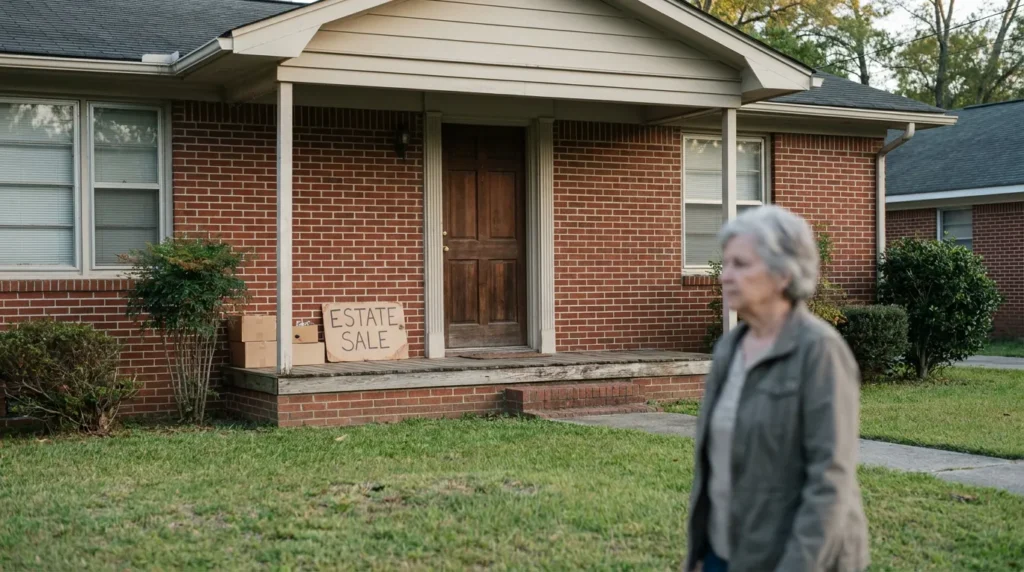
Understanding How South Carolina Recovers Medicaid Costs After Death
Key Takeaways: South Carolina only pursues Medicaid estate recovery when an estate exceeds $25,000 and paid claims exceed $500, so many families never face recovery. Recovery targets long-term care costs like nursing home, hospice, and community care, capped at what Medicaid actually paid, after higher-priority claims such as mortgages and funeral expenses. A will does not avoid probate, while a properly funded trust may help assets pass outside of it. Meaningful protections exist, including mandatory deferrals for a surviving spouse or a child who is under 21, blind, or disabled, plus undue hardship waivers. Lawful advance planning, mindful of the five-year look-back period, offers the most reliable way to reduce exposure.
Useful? Get our articles in your Google results.
South Carolina only pursues estate recovery when the estate exceeds $25,000 and paid Medicaid claims exceed $500. Many families in Lake Wylie hear "estate recovery" and imagine the state seizing the family home the moment a parent enters a nursing facility. The reality is far more measured. Medicaid can collect the amount it spent on nursing facility, home, and community-based long-term care for a recipient aged 55 or older, but South Carolina applies specific thresholds, deferrals, and exemptions that protect many families.
For personalized guidance on protecting your home and savings, the team at Sawyer & Associates is ready to help. Call us at 803-619-0050 or reach out through our contact page to discuss your family’s situation.
What Medicaid Estate Recovery Actually Means
Estate recovery is the process states use to seek repayment for certain long-term care costs after a Medicaid recipient dies. It is not a penalty and does not apply to every service Medicaid paid. In South Carolina, the program recovers funds paid for hospice, community long-term care, and nursing home care, including related prescriptions and hospital stays. Routine doctor visits and general medical coverage are generally excluded.
The federal framework requires states to recoup long-term care spending, but details vary widely. Estate recovery practices and rules vary by state, and qualifying for an exception also differs. This is why families with property in multiple states, such as those splitting time between Charlotte and Lake Wylie, benefit from guidance that accounts for each jurisdiction’s rules.
The $25,000 Threshold That Shapes Medicaid Estate Recovery South Carolina Families Should Know
South Carolina draws a clear line before any recovery begins. The assets of the estate must exceed $25,000 and the Medicaid claims paid must exceed $500 for SCDHHS to recoup funds. If an estate falls at or below that value, the state generally does not pursue recovery.
Recovery is capped at what Medicaid actually paid, not the full estate value. In one South Carolina example, an estate worth $50,000 where Medicaid paid $2,000 sees only that $2,000 recovered after higher-priority claims such as mortgage, funeral expenses, and probate fees are paid. The state recovers a limited, defined amount and stands behind higher-priority obligations. Review the state’s explanation of the SCDHHS estate recovery program for further detail.
💡 Pro Tip: Keep organized records of Medicaid statements and long-term care payments. Knowing the actual amount paid helps you evaluate whether recovery applies to your estate.
How Recovery Works Within South Carolina Probate
Medicaid estate recovery in South Carolina moves through the probate estate under the state’s Probate Code. Under SECTION 62-3-104, no claim may be filed against the estate of a decedent before appointment of a personal representative, and after appointment and until distribution, all proceedings to enforce a claim are governed by that article. The state’s claim is handled like other creditor claims during administration, with priority established under South Carolina law.
Even after distribution, a valid claim does not vanish. Under SECTION 62-3-104, after distribution a creditor whose claim has not been barred may recover from the distributees as provided in Section 62-3-1004 or from a former personal representative individually liable as provided in Section 62-3-1005. The full text is available in the South Carolina Probate Code Title 62. This is why careful planning before a crisis matters.
Why a Will Alone Does Not Avoid This Process
A common and costly misunderstanding is believing a will keeps assets out of probate. A will does not avoid probate. It simply tells the probate court how you want assets distributed, and those assets still pass through the court-supervised process where creditor claims, including Medicaid recovery, are addressed. In South Carolina, only assets in a Medicaid recipient’s probate estate can be used to reimburse the costs of care.
A revocable living trust, by contrast, generally allows assets to pass outside of probate. For families in Fort Mill, Lake Wylie, and Columbia, a properly funded trust can be a foundational planning tool. South Carolina recently updated its small estate rules, and you can learn more about how South Carolina raised the small estate threshold to $45,000 and what it means for streamlined administration.
Protections and Exemptions That May Shield Your Estate
South Carolina builds in several meaningful protections that many families do not realize exist. SCDHHS has stated the state is not interested in taking title to anyone’s home, and estate recovery may be waived if it would create an undue hardship. These safeguards reflect a policy designed to recover costs without leaving loved ones without shelter.
Several categories of survivors trigger a mandatory deferral of recovery:
- Recovery must be deferred if the beneficiary is survived by a spouse or a child under age 21, blind, or permanently disabled.
- Some or all assets may be exempt when the Medicaid beneficiary is covered under a qualified long-term care partnership, or QLTCP, insurance policy, to the extent benefits were paid under that policy.
- An undue hardship waiver may be available when recovery would create genuine hardship for survivors.
A home exempt for eligibility purposes is not automatically exempt from recovery. Depending on the state, Medicaid may place a lien on the home or file a claim against the estate and recover costs from its sale after the recipient dies. The exemption that helps you qualify for benefits while living operates differently from the recovery rules that apply after death.
Lawful Planning Strategies to Consider Before a Crisis
Thoughtful, ethical planning done in advance is the most reliable way to reduce estate recovery exposure. One frequently discussed approach involves the family home. Because South Carolina limits recovery to the probate estate, transferring the house to the spouse’s name, which is exempt from Medicaid transfer penalties, can remove it from the recipient’s probate estate and reduce or eliminate the possibility of estate recovery. Strategies like this must be tailored to your circumstances and carried out lawfully.
Timing is critical, because Medicaid reviews transfers made before an application. The look-back period is usually 60 months, or five years, counting back from the date of your Medicaid application. Transfers made during that window may trigger penalties, though transfers to a spouse are generally exempt. Note that South Carolina, along with Illinois, is among the states where the single Community Spouse Resource Allowance cap is lower than the federal maximum, which is $162,660 in 2026. These figures can change, so confirm current numbers with a qualified attorney before acting.
Because these strategies carry real legal and tax consequences, they should never be attempted as do-it-yourself shortcuts. Improper transfers can disqualify an applicant or create unintended hardship. Working with an estate planning attorney Lake Wylie families trust helps ensure any strategy is both lawful and suited to your goals.
💡 Pro Tip: If your family owns property in more than one state, review each state’s Medicaid and probate rules together. A plan that works in South Carolina may need adjustments for North Carolina or Tennessee.
Frequently Asked Questions
1. Does South Carolina take my home if I go on Medicaid?
Not necessarily. The state has stated it does not want title to anyone’s home, and recovery applies only after death through the probate estate. If your estate is valued at $25,000 or less, recovery generally does not proceed, and deferrals may apply if a spouse or qualifying child survives you.
2. What is the difference between the eligibility exemption and estate recovery?
They serve different purposes. An exemption may let you keep your home while qualifying for Medicaid during your lifetime. Estate recovery is a separate process that can seek repayment from your estate after death, and a home exempt for eligibility is not automatically protected from recovery.
3. How much can South Carolina actually recover?
Only the amount Medicaid actually paid, subject to higher-priority claims. Recovery is limited to covered long-term care costs and comes after obligations such as mortgages, funeral expenses, and probate fees.
4. Can a trust help avoid Medicaid estate recovery in South Carolina?
In many cases, a properly structured trust can help. Because recovery generally reaches the probate estate, assets that pass outside probate through a well-drafted trust may be better protected. The right structure depends on your facts.
5. When should I start planning for long-term care costs?
The earlier the better. The five-year look-back period means transfers made close to a Medicaid application may face penalties. Planning ahead offers more lawful options and greater peace of mind.
Bringing It All Together for Your Family’s Peace of Mind
The takeaway for Lake Wylie families is encouraging: Medicaid estate recovery South Carolina rules include real thresholds, deferrals, and exemptions that protect many households. Recovery only begins when an estate exceeds $25,000 and paid claims top $500, it is limited to what Medicaid actually paid, and it steps aside for surviving spouses and certain children. Understanding these Medicaid recovery limits South Carolina applies, combined with knowing that a will does not avoid probate, puts you in a stronger position to protect your home and savings.
You do not have to navigate these decisions alone. The compassionate team at Sawyer & Associates helps families across South Carolina and beyond build clear, customized plans, and veterans may qualify for a discount. Call 803-619-0050 or schedule your free 30-minute consultation today to protect what matters most.
Related Reading
This article is part of our guidance on Medicaid Crisis Planning. You may also find these helpful:
- Does SC Medicaid Estate Recovery Apply Only to Probate Estates in Fort Mill?
- What Is the Medicaid Look-Back Period in North Carolina?
- What Is a Medicaid Asset Protection Trust in North Carolina?
Follow Sawyer & Associates in Google
Add us as a preferred source and our probate, estate planning and elder law articles surface higher when you search these questions in North Carolina, South Carolina and Tennessee.