
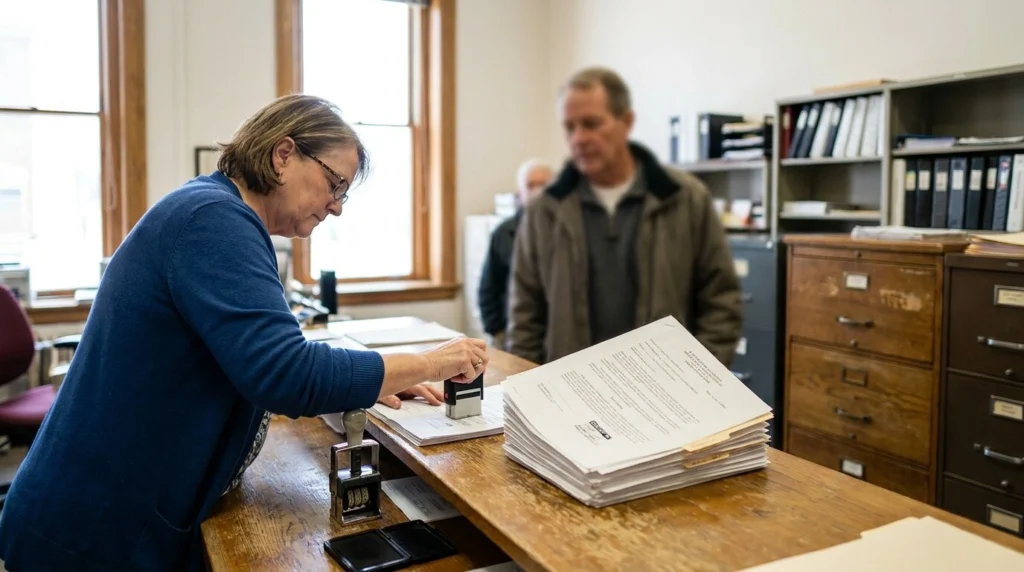
Why a Will Alone Won’t Keep Your Estate Out of Court
Key Takeaways: Contrary to common belief, a will does not avoid probate in North Carolina. Property left through a will passes through court-supervised probate overseen by the clerk of superior court. A will triggers probate rather than avoiding it, since the court must validate it before property transfers. To avoid court involvement, families use tools like revocable living trusts, which keep assets private and distribute them without probate. Assets with beneficiary designations, life insurance, retirement accounts, and joint accounts with survivorship, already pass outside probate. A will remains essential for naming executors and guardians for minor children, so the strongest plans pair a will with a trust.
Useful? Get our articles in your Google results.
Many people assume signing a will spares their loved ones the time and expense of court, but that is one of estate planning’s most persistent myths. A will is vital, yet it does not bypass the court system. This court-supervised process is called “probate” and has a reputation for being drawn-out and expensive. In North Carolina, property left through a will still passes through probate before reaching your family, though streamlined procedures may be available for smaller estates. To keep your estate out of court, you need additional planning tools, such as a revocable living trust.
For families in Charlotte and across the Carolinas who want clarity and peace of mind, Sawyer & Associates is here to help. You can reach the firm online at Sawyer & Associates, call 252-271-0830 to ask a question, or schedule your consultation today to talk through your options.

What Probate Really Means in North Carolina
Probate is the court-supervised process of validating a will and administering an estate, and North Carolina law places that authority with the clerk of superior court. Under N.C.G.S. § 28A-2-1, “the clerk of superior court of each county, ex officio judge of probate, shall have jurisdiction of the administration, settlement, and distribution of estates of decedents.” Having a will does not remove your estate from court oversight. It simply gives the court instructions to follow.
The word “probate” carries two meanings, and understanding both clears up confusion. According to North Carolina’s court system, probating the will refers to the process by which a court determines that a “purported” will is the decedent’s final will and testament and is legally valid to pass title to property. A will must be probated to work at all. You can learn more through the official guidance on North Carolina wills and estates.
The statute confirms that probate is triggered by a will rather than avoided by one. N.C.G.S. § 28A-2-4(a) lists estate proceedings including “probate of wills” under subdivision (a)(1) and “granting and revoking of letters testamentary and letters of administration” under subdivision (a)(2). N.C.G.S. § 28A-1-1(5) defines a “personal representative” to include both executor and administrator, meaning court-supervised administration applies to both testate and intestate estates.
💡 Pro Tip: A will is essential even if you build a trust. You cannot use your living trust to name an executor or guardians for young children, so even with a living trust, you still need a will.
How a Revocable Living Trust Helps You Avoid Probate
A revocable living trust is the tool most people use to avoid probate, and it works differently from a will. The key difference is that trust property does not go through probate while property left by will does. A trust holds your assets during life and continues operating after death without court involvement.
The mechanics are simple once you understand the roles. A living trust appoints a trustee to manage and distribute trust property after your death, replacing the executor working with probate court. All property passing through a living trust avoids probate, so it can be distributed to beneficiaries after the grantor’s death without court fees, interference, or guidance.
Privacy is another reason families across North Carolina, South Carolina, and Tennessee consider a trust. After death, a will becomes public, while a living trust does not, so many people use a living trust to keep their affairs private. Most trust instruments are not filed with a court, except for testamentary trusts. For a deeper comparison, this overview of the living trust vs will North Carolina distinction is helpful.
A revocable living trust can allow assets to pass outside probate in all five states where the firm works, though each state has its own procedures, so guidance from a wills and trusts lawyer Charlotte NC families rely on is valuable when assets cross state lines.
💡 Pro Tip: Owning property in multiple states can mean multiple probate proceedings. A multi-state estate planning attorney can help align your plan so your family avoids navigating courts in several jurisdictions at once.
Probate vs. Non-Probate Assets: Knowing the Difference
Not every asset you own travels through probate, and understanding which ones do is the first step toward protecting your family home and savings. Some assets pass outside estate administration because of how they are titled or who is named on them. Non-probate assets may include life insurance policies, retirement accounts, joint bank accounts, and annuities, property with right of survivorship or named beneficiaries.
Beneficiary designations deserve careful attention in any estate plan. A will does not control assets with a valid named beneficiary or survivorship feature, since those assets pass under their own terms. When designations are outdated or inconsistent with your plan, your wishes can be unintentionally undermined.
Common categories that often pass outside probate:
- Life insurance proceeds paid to a named beneficiary
- Retirement accounts such as IRAs and 401(k)s with current beneficiaries
- Joint bank accounts with right of survivorship
- Annuities and certain payable-on-death accounts
- Property correctly transferred into a revocable living trust
💡 Pro Tip: Review your beneficiary designations after any major life event, such as marriage, the birth of a child, or buying a home in another state. A quick update can spare your family significant delay.
Working With an Estate Planning Attorney Charlotte NC Families Rely On
Because the rules around probate and trusts are detailed, working with an estate planning attorney Charlotte NC residents trust helps you avoid costly missteps. In North Carolina, the elected Clerk of Superior Court in each county acts as the probate judge, making estate administration court-supervised even when a valid will exists. The framework is set out in North Carolina Chapter 28A.
A will must clear the court before property changes hands. N.C.G.S. § 28A-1-1(1a) defines a “devisee” as any person entitled to take property under a valid, probated will. That word “probated” reminds us that a will begins a court process, not an exit from one. A thoughtful estate planning attorney Charlotte NC families turn to can help you decide whether a trust-centered plan fits your situation.
Every plan should be tailored, because outcomes depend on your specific facts. Medicaid crisis planning, for example, involves lawful strategies to protect assets when a loved one needs long-term nursing care, and eligibility rules vary significantly across North Carolina, South Carolina, and Tennessee. Those rules change over time, so they should always be confirmed with current guidance.
Comparing Wills and Trusts at a Glance
| Feature | Last Will and Testament | Revocable Living Trust |
|---|---|---|
| Avoids probate | No | Generally yes |
| Public after death | Yes | No |
| Names guardians for minors | Yes | No |
| Names an executor | Yes | No (uses a trustee) |
| Filed with a court | Yes, when probated | Usually not |
Practical Steps to Reduce Probate Exposure
Reducing probate exposure comes down to coordinated decisions made in advance. You can fund a revocable living trust, keep beneficiary designations current, and confirm how titled property is held. Each choice should fit together as one plan.
When a Will Is Still the Right Tool
A will remains the backbone of nearly every estate plan, even when a trust handles probate avoidance. It names your executor, directs assets not placed in a trust, and lets parents nominate guardians for minor children. For many Charlotte families, the strongest plan uses a will and trust together.
Frequently Asked Questions
1. Does having a will mean my estate skips probate in North Carolina?
No. Property left through a will generally passes through probate in North Carolina, where the clerk of superior court oversees administration under N.C.G.S. § 28A-2-1. A will guides the process but does not avoid it.
2. How can I actually avoid probate with a will?
You cannot avoid probate with a will alone. To keep assets out of court, families use tools such as a revocable living trust, survivorship titling, and current beneficiary designations, subject to each state’s rules.
3. Is a living trust private compared to a will?
Yes. A will becomes public once probated, while a trust usually stays private and is not filed with a court, except for testamentary trusts.
4. Do I still need a will if I have a living trust?
Generally, yes. A trust cannot name an executor or appoint guardians for minor children, so a will still serves those purposes alongside your trust.
5. What if I own property in more than one state?
Multi-state ownership can trigger probate in each state where you hold property. A coordinated plan from a multi-state estate planning lawyer in North Carolina may help reduce that exposure.
Putting the Myth to Rest and Planning With Confidence
The takeaway is straightforward: a will is essential, but it does not keep your estate out of probate. If avoiding court delay, preserving privacy, and protecting your family home are priorities, a revocable living trust paired with a well-drafted will is often the better path. The right combination depends on your assets, your family, and the states involved, which is why personalized guidance matters. For more guidance on estate planning topics, explore the firm’s Charlotte NC estate planning services and resources.
Sawyer & Associates serves families across North Carolina and beyond, offering a free 30-minute consultation and veteran discount. To get started, visit Sawyer & Associates, call 252-271-0830, or reach out to the team now to build a plan that brings your family peace of mind.
Related Reading
This article is part of our guidance on Estate Planning. You may also find these helpful:
- Should I Hire a Large Firm or Solo Practitioner for Estate Planning? Firm Size and Quality Comparison
- Red Flags When Choosing an Estate Planning Lawyer: Warning Signs of Poor Service
- How to Choose an Estate Planning Attorney: Vetting Criteria & What to Look For
Follow Sawyer & Associates in Google
Add us as a preferred source and our probate, estate planning and elder law articles surface higher when you search these questions in North Carolina, South Carolina and Tennessee.