
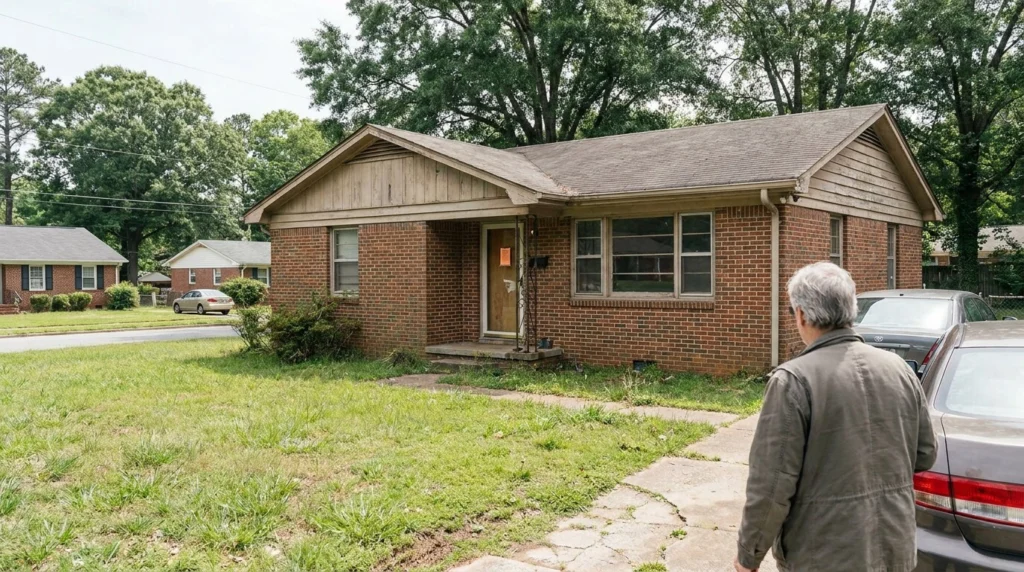
Understanding Your Home’s Journey Through North Carolina Probate
Key Takeaways: When a loved one dies owning a Charlotte home solely in their name, title to the property vests in the heirs, but the property remains subject to estate administration; heirs may market or convey the property, although obtaining a personal representative’s joinder (typically within two years of death) is generally advisable to protect buyers against potential creditor claims. The process follows Chapter 28A of North Carolina General Statutes, supervised by the Mecklenburg County Clerk of Superior Court. A personal representative manages the home by securing it, obtaining appraisals, paying creditor claims, and distributing proceeds to beneficiaries. Jointly held property with survivorship rights or trust assets bypass probate, but a will alone does not. Selling during probate requires court authority under Article 17, with timelines typically spanning several months. A revocable living trust keeps residences out of probate.
Useful? Get our articles in your Google results.
When a loved one passes away owning a home in their name alone, that house must pass through probate before sale or transfer. Probate is the court-supervised process of gathering a deceased person’s assets and distributing them to creditors and inheritors. In North Carolina, title to solely owned real estate vests in heirs at death, but the property remains subject to estate administration. A Charlotte home rarely transfers cleanly without moving through a structured legal process governed by state law, supervised by local court, and managed by a personal representative with fiduciary duties.
If you are an executor, administrator, or beneficiary seeking guidance, the team at Sawyer & Associates is here to help. Call us at 252-271-0830 or reach out through our contact page to discuss your situation.
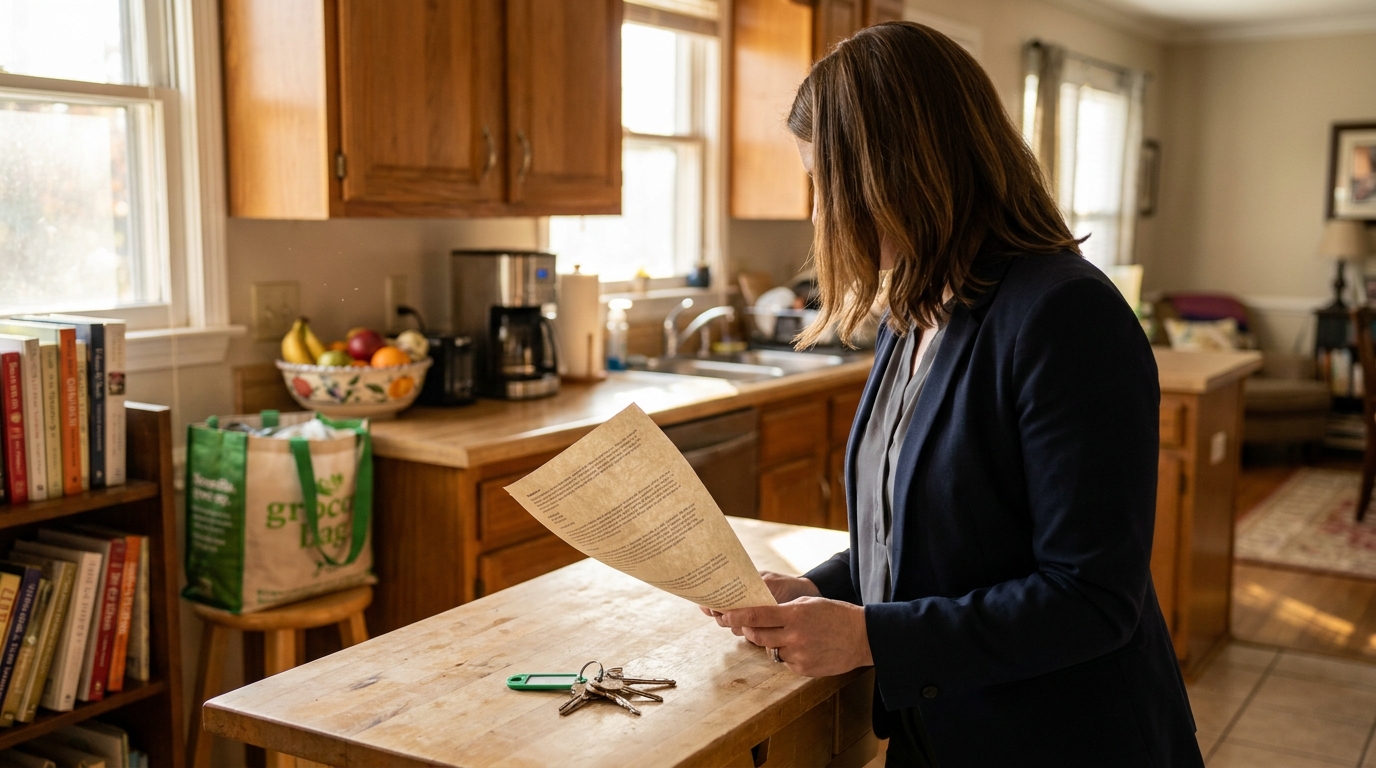
How a House Enters the Probate Process in Charlotte
Probate becomes necessary when the deceased person owned real estate titled solely in their name. A house held this way cannot always be administered without probate involvement, but title vests in heirs and the property remains subject to administration; heirs may market or convey the property before full administration, though a personal representative’s joinder in the conveyance within two years after death is generally advisable to protect buyers against potential creditor claims. The process is controlled by Chapter 28A of the NC General Statutes, which serves as the governing framework.
Jurisdiction rests with the Mecklenburg County Clerk of Superior Court. This elected official acts as the probate judge, overseeing estate administration. Review the full statutory framework through the official North Carolina General Statutes for estate administration.
💡 Pro Tip: Locate the original will and property deed early. How the home is titled, solely, jointly, or in trust, determines whether probate is required.
Jointly Held Property and Beneficiary Designations
Not every home requires probate. Property held in joint tenancy with right of survivorship generally bypasses probate entirely. Under certain circumstances, a surviving co-owner takes full title by operation of law, though tenancy in common does not carry survivorship rights. Reviewing the deed carefully matters before assuming probate is necessary.
The Personal Representative’s Authority Over the Home
The executor or administrator manages the probated house as personal representative. North Carolina law provides authority over estate property through Article 13. This role carries significant responsibility, including keeping property safe, preparing asset lists, obtaining appraisals, paying debts, and distributing property.
Duties translate into concrete tasks. A personal representative must secure the property, maintain insurance, arrange professional appraisal, and account for the home’s value in the estate inventory. The representative may receive compensation up to 5% of the estate’s receipts and disbursements, as approved by the court clerk.
Serving from out of state adds complexity. Non-resident personal representatives must appoint a North Carolina resident as their agent for service of process and may be required to post a bond. For families managing multi-state assets, coordinating these appointments early prevents delays.
💡 Pro Tip: Keep meticulous records of every estate expense, including property taxes, repairs, and utilities. Clear documentation protects you during final accounting.
Working With a Probate Attorney Charlotte NC Families Rely On
Guidance from a probate attorney Charlotte NC residents trust makes the process manageable. North Carolina has not adopted the full Uniform Probate Code, meaning probate follows a traditional, formal court process with careful attention to deadlines, filings, and notices. Opening an estate costs $120, plus probate court costs of 40 cents per $100 of personal property (capped at $6,000) under N.C. Gen. Stat. § 7A-307.
North Carolina offers streamlined alternatives in some cases. Small estates under Article 25 and summary administration under Article 28 may apply depending on estate value or whether a surviving spouse is sole beneficiary. However, these alternatives have important limits regarding real estate. Visit our page on real estate probate North Carolina services to learn more.
When a Small Estate Affidavit Does Not Reach the House
A common confusion involves small estate affidavits and home transfers. The law allows this shortcut when personal property value, after liens, is $20,000 or less, or $30,000 or less if the surviving spouse is sole heir. Importantly, this applies only to personal property, not real estate. A house cannot be transferred through the small estate affidavit alone.
Selling a House During Probate in Mecklenburg County
Selling a home before estate closure follows specific statutory rules. Article 17 of Chapter 28A governs sales of real property during administration. A personal representative may need court authority or powers under the will to complete a sale, and proceeds remain part of the estate, subject to creditor claims and proper distribution.
Creditor Claims and the Transfer Timeline
Before full transfer or distribution, the estate must address outstanding debts. Creditors must be notified during probate under Article 14, claims under Article 19 must be resolved before distribution under Article 22. This typically means the process takes several months at minimum.
Common steps shaping the timeline:
- Opening the estate with the Mecklenburg County Clerk of Superior Court
- Inventorying and appraising the home and other assets
- Notifying creditors and resolving valid claims
- Obtaining authority to sell the property when needed
- Distributing the home or proceeds to lawful beneficiaries
💡 Pro Tip: Do not distribute or sell until creditor claim deadlines have run and the clerk has approved your next steps. Acting too early can expose you to personal liability.
Why Having a Will Does Not Avoid Probate
One persistent misunderstanding is that a will keeps a house out of probate. In reality, a will is instructions the probate court enforces; it does not bypass the process. A will tells the court who inherits the home, but the home still passes through administration. A revocable living trust is the tool designed to allow real property to pass outside probate in North Carolina.
This distinction matters for long-term planning. A properly funded revocable living trust can allow a home to transfer to beneficiaries without court supervision. Read more about how the probate process works for estates to understand why thoughtful planning saves time and stress.
💡 Pro Tip: If protecting the family home is a priority, ask whether a trust-based plan fits your goals. The right structure depends on your assets, family, and property locations.
Frequently Asked Questions
1. Does a house in Charlotte always have to go through probate?
Not in every case. A home titled solely in the deceased person’s name often involves probate administration, but title vests in heirs and the property may sometimes be marketed or conveyed without full administration; review ownership documents first and consider a personal representative’s joinder for protection.
2. Can the personal representative sell the home before probate is finished?
Yes, subject to statutory requirements. Article 17 governs sales during administration. A representative may need court authority or specific will powers. Sale proceeds remain part of the estate until debts and claims are resolved.
3. How long does it take to transfer a house through probate?
Timelines vary based on complexity. Because creditors must be notified and claims resolved before distribution, the process often takes several months or longer. Estates involving multi-state assets or contested debts require additional time.
4. Who oversees probate of a home in Charlotte?
The Mecklenburg County Clerk of Superior Court. This elected official acts as probate judge and supervises estate administration, including real property matters. The personal representative files required documents with this office.
5. Does a will keep my house out of probate?
No, a will alone does not avoid probate. A will directs how the home should be distributed, but the property still passes through court-supervised administration. A revocable living trust is designed to allow a residence to transfer outside probate.
Moving Forward With Confidence and Support
Understanding what happens to a house in probate gives executors, administrators, and beneficiaries the clarity needed to act responsibly. From opening the estate to honoring creditor requirements to deciding whether a home should be sold or transferred, each step is governed by Chapter 28A and benefits from careful attention. Whether managing assets locally or across North Carolina, South Carolina, or Tennessee, thoughtful guidance helps minimize delay. Explore our Charlotte NC estate lawyer insights for additional resources.
You do not have to navigate this alone. The team at Sawyer & Associates is ready to help you fulfill your duties and protect what matters most. Call us today at 252-271-0830 or request a consultation online to discuss your family’s needs. Every situation is unique, so speak with an attorney for advice specific to your circumstances.
Related Reading
This article is part of our guidance on Probate and Estate Administration. You may also find these helpful:
- What Happens to Digital Assets During Probate in Charlotte, NC?
- What Does a Probate Attorney Do for Executors in Charlotte, NC?
- What Happens if Probate Is Not Filed in Fort Mill, SC?
Follow Sawyer & Associates in Google
Add us as a preferred source and our probate, estate planning and elder law articles surface higher when you search these questions in North Carolina, South Carolina and Tennessee.